Layla Andrews, Anouk Lamm Anouk, Kv Duong, Julie Hamisky, Melissa Kime, Yaya Yajie Liang, Enrique Martinez Celaya, Alexandria Smith

Cables of Cobwebs

March 27th –
May 2th, 2026
Venezia
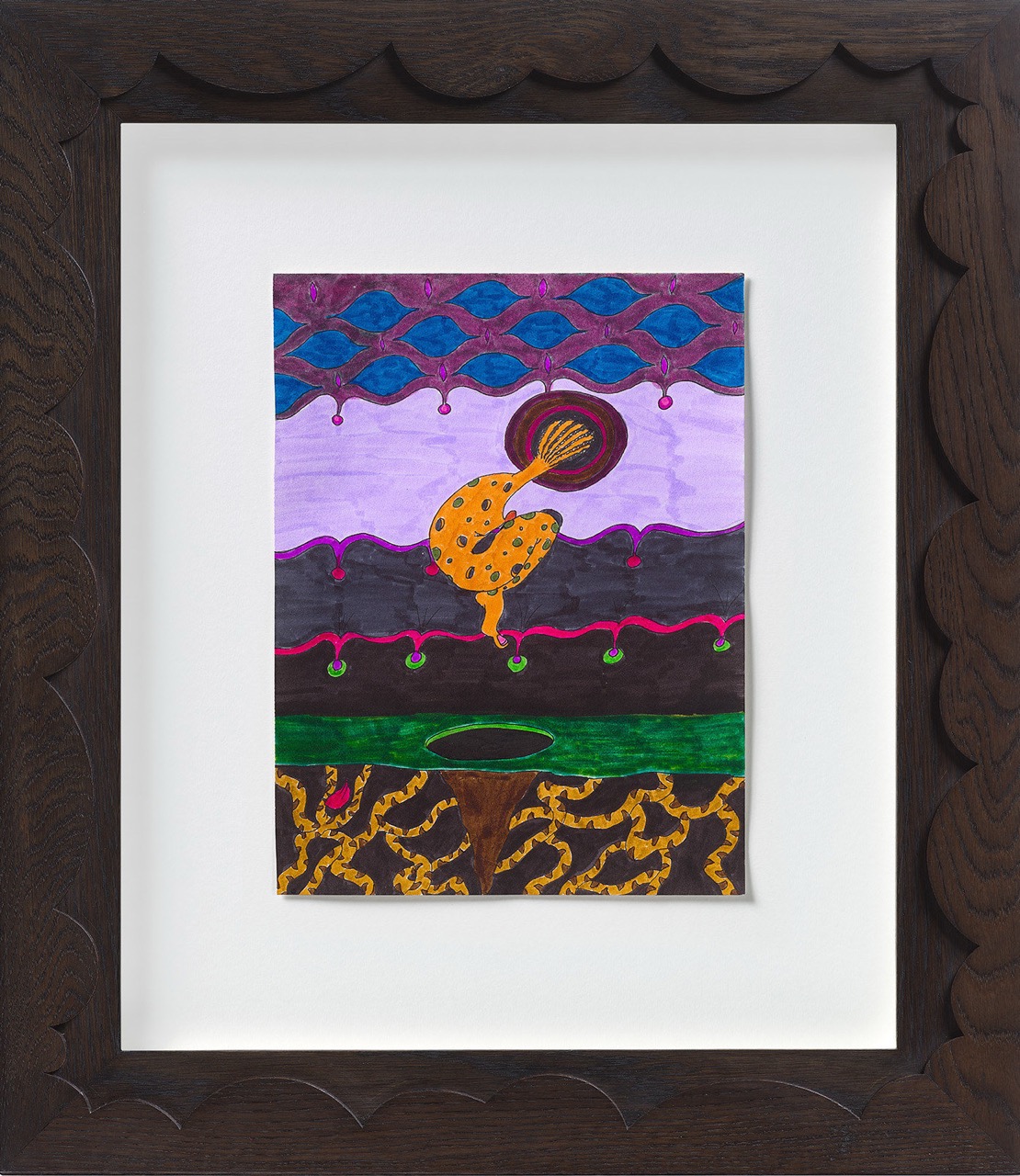
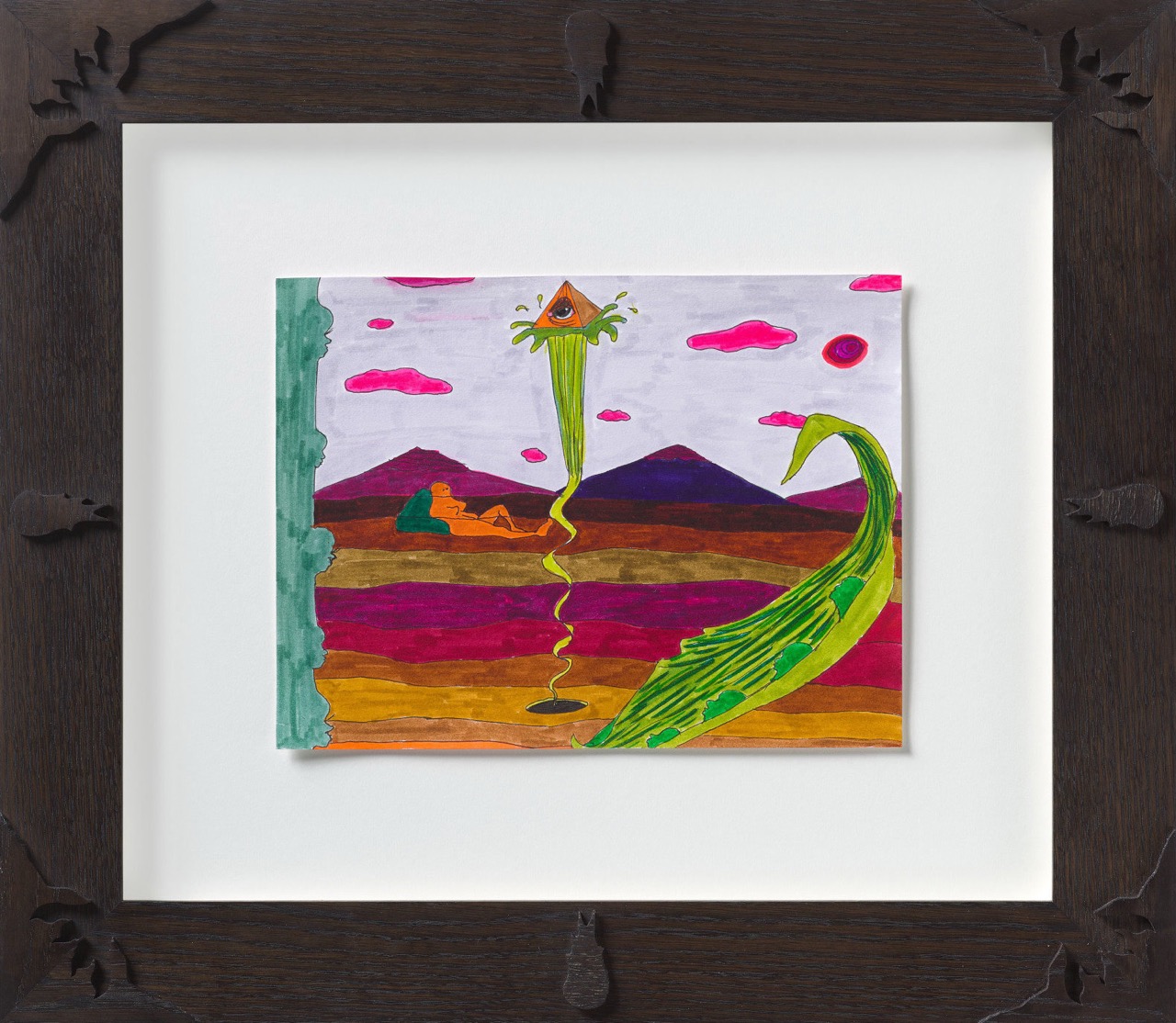
  • Alexandria Smith
    Reborn,2023
    Mixed media on paper in artist frame
    30.5 × 22.9 cm (12 × 9 in), framed (12 × 9 in)
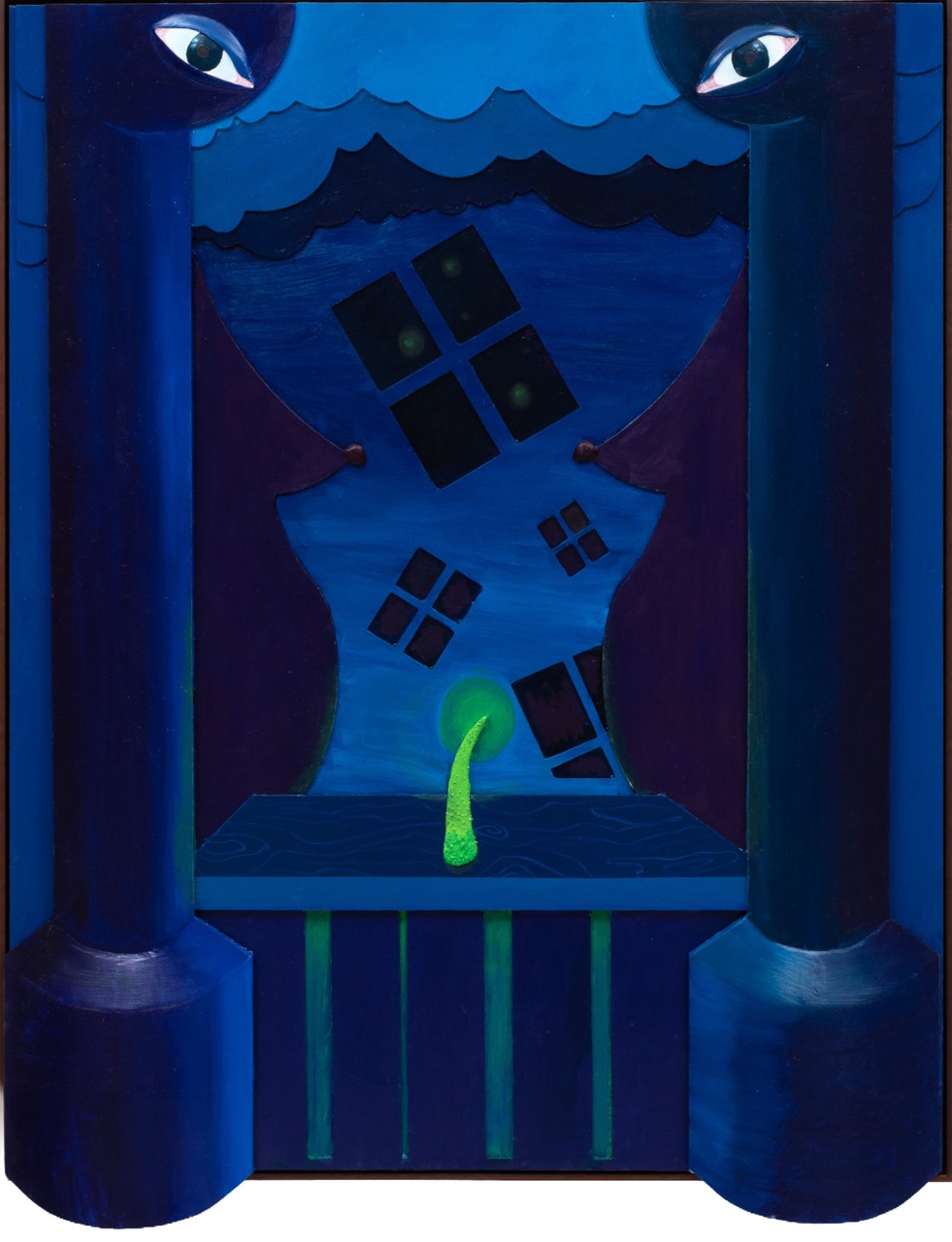
  • Alexandria Smith
    Moonshine,2024
    Mixed media on three-dimensional wood assemblage
    160 × 127 × 7.6 cm (63 × 50 × 1 ⅛ in) (63 × 50 × 3 in)
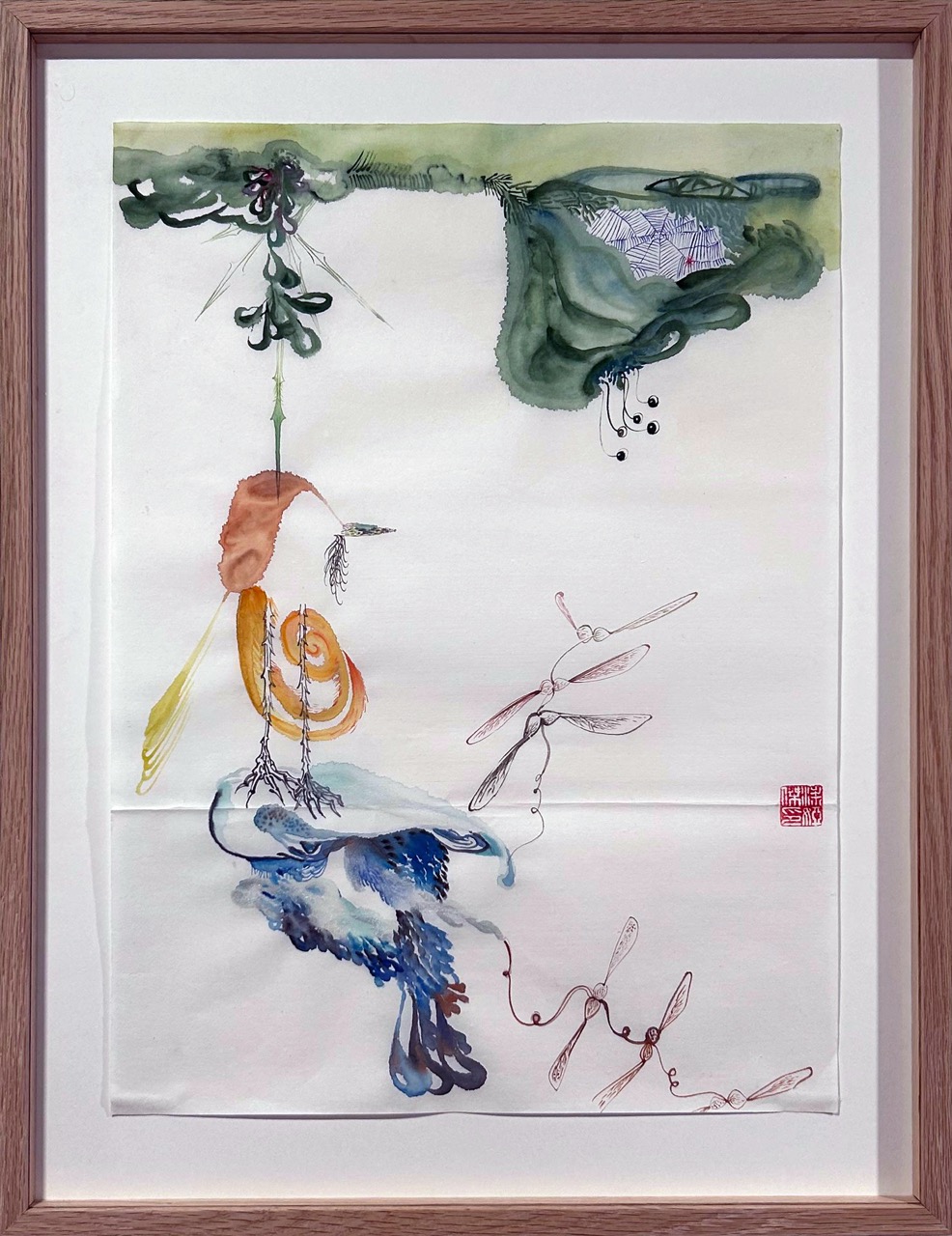
  • Yaya Yajie Liang
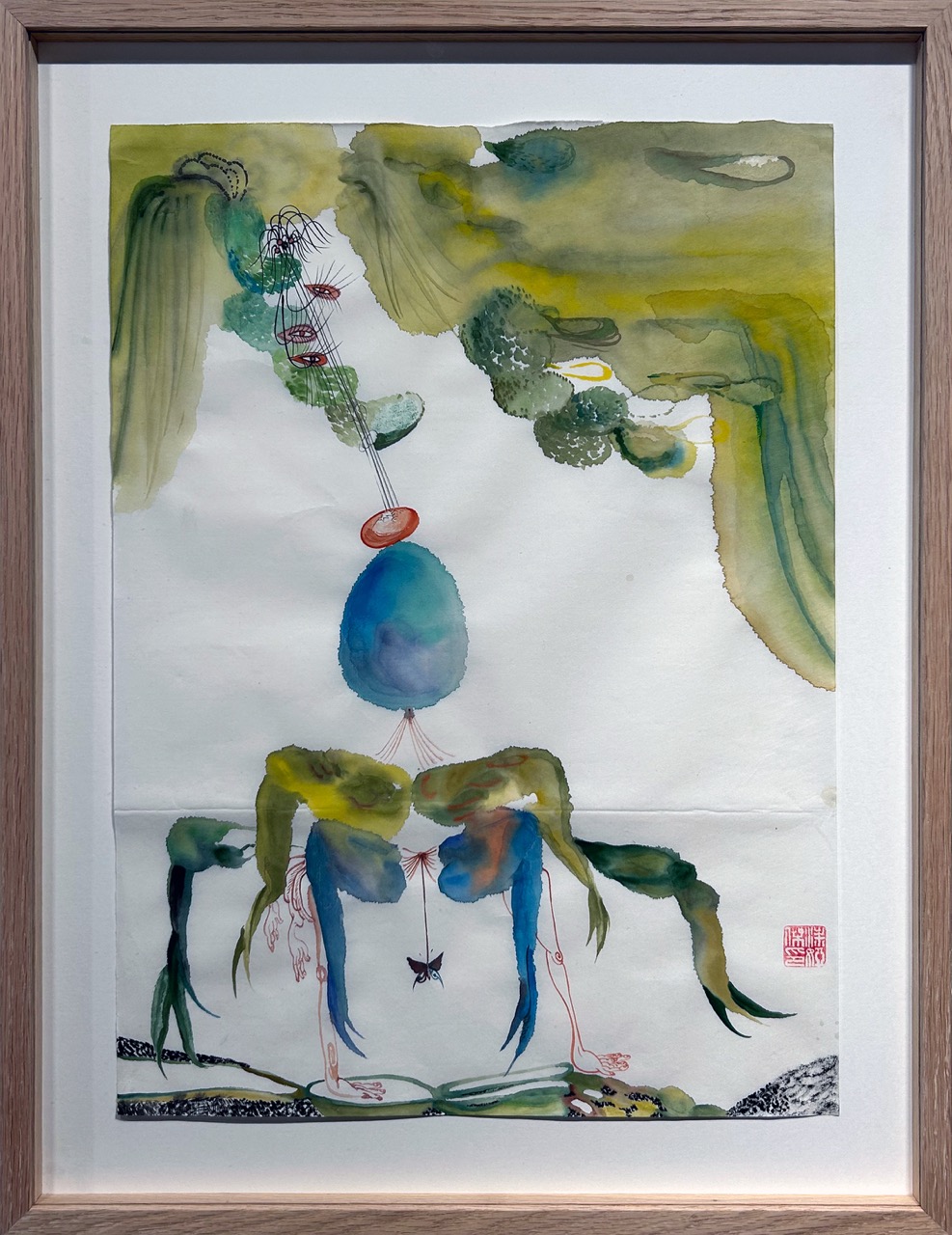
    Samaras, Samaras, Making love upon the wind,2024
    Watercolour, ink on Chinese rice paper
    59 × 45 cm (23 ¼ × 17 ¾ in), framed (23 ¼ × 17 ¾ in)
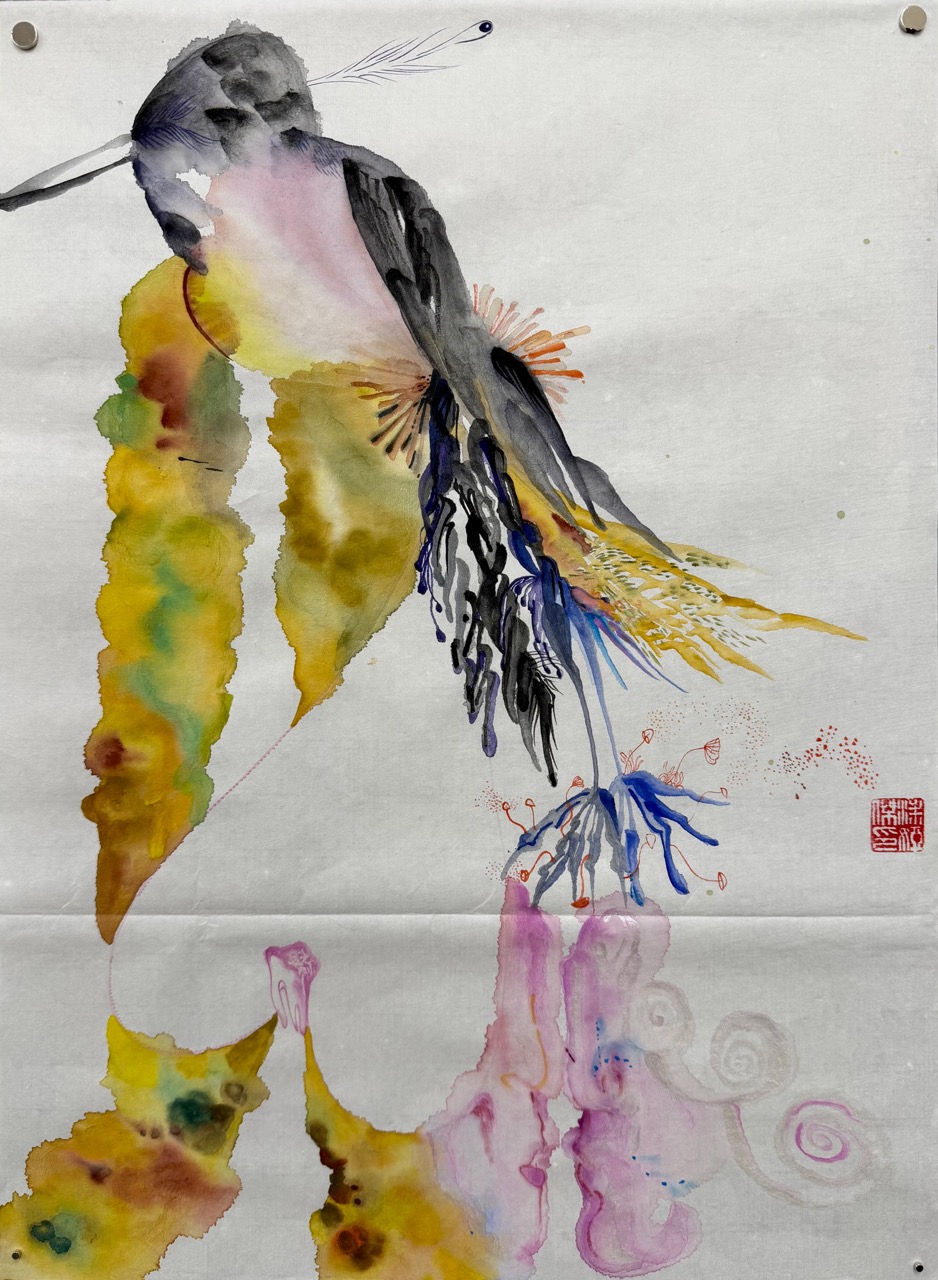
  • Yaya Yajie Liang
    Birdman,2024
    Watercolour, ink on Chinese rice paper
    59 × 45 cm (23 ¼ × 17 ¾ in), framed (23 ¼ × 17 ¾ in)
  • Yaya Yajie Liang
    In the cradle of each day she Dreams she is Dreaming,2024
    Watercolour, ink on Chinese rice paper
    59 × 45 cm (23 ¼ × 17 ¾ in), framed (23 ¼ × 17 ¾ in)
  • Alexandria Smith
    A Memory Doubled Over in Longing,2023
    Mixed media on paper in artist frame
    22.9 × 30.5 cm (9 × 12 in), framed (9 × 12 in)
  • Yaya Yajie Liang
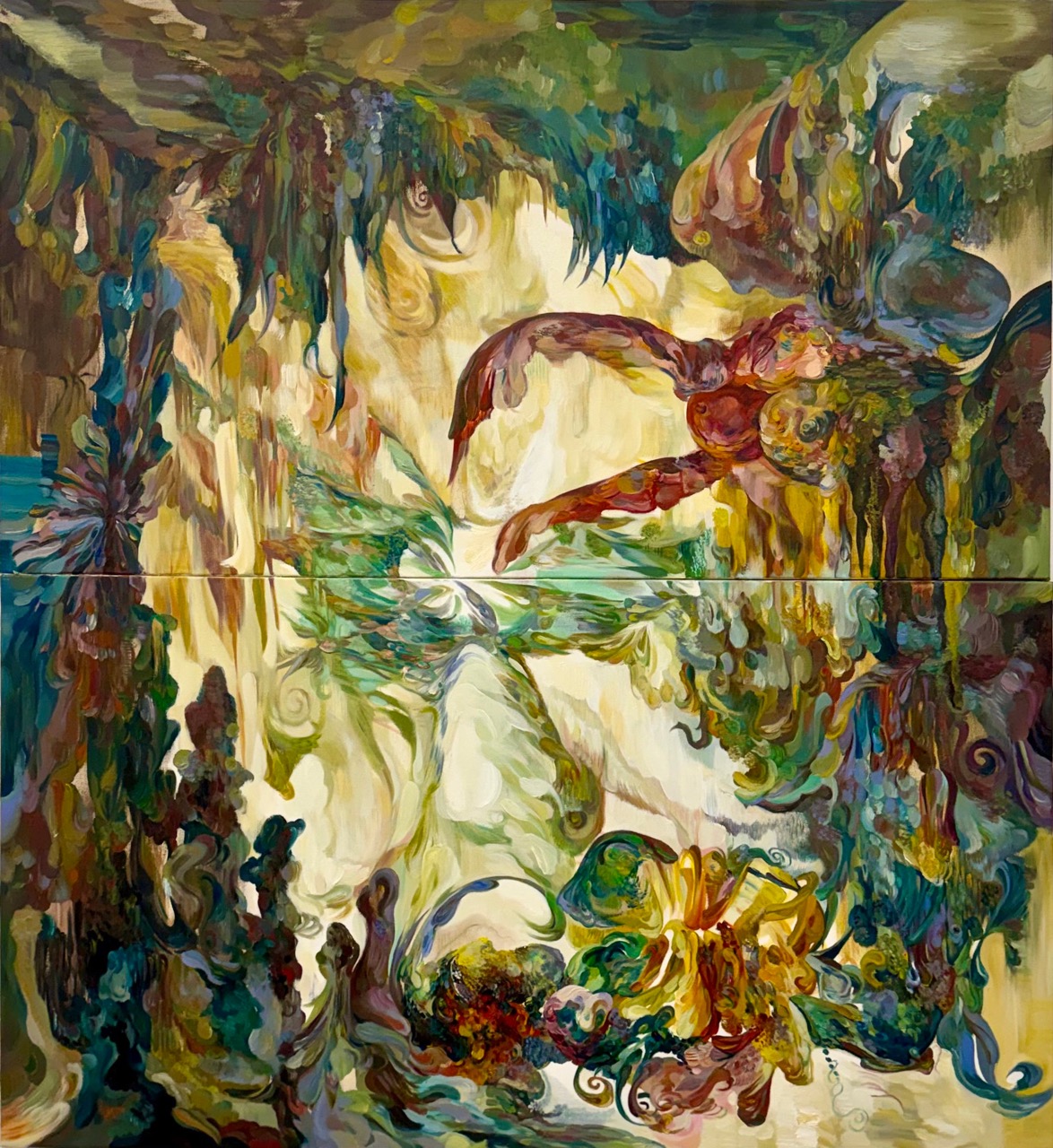
    A flash as A Flash,2025
    Oil on canvas
    Diptych; Each panel: 80 × 145 cm (31 ½ × 57 in); Overall display: 160 × 145 cm (63 × 57 in)
  • Yaya Yajie Liang
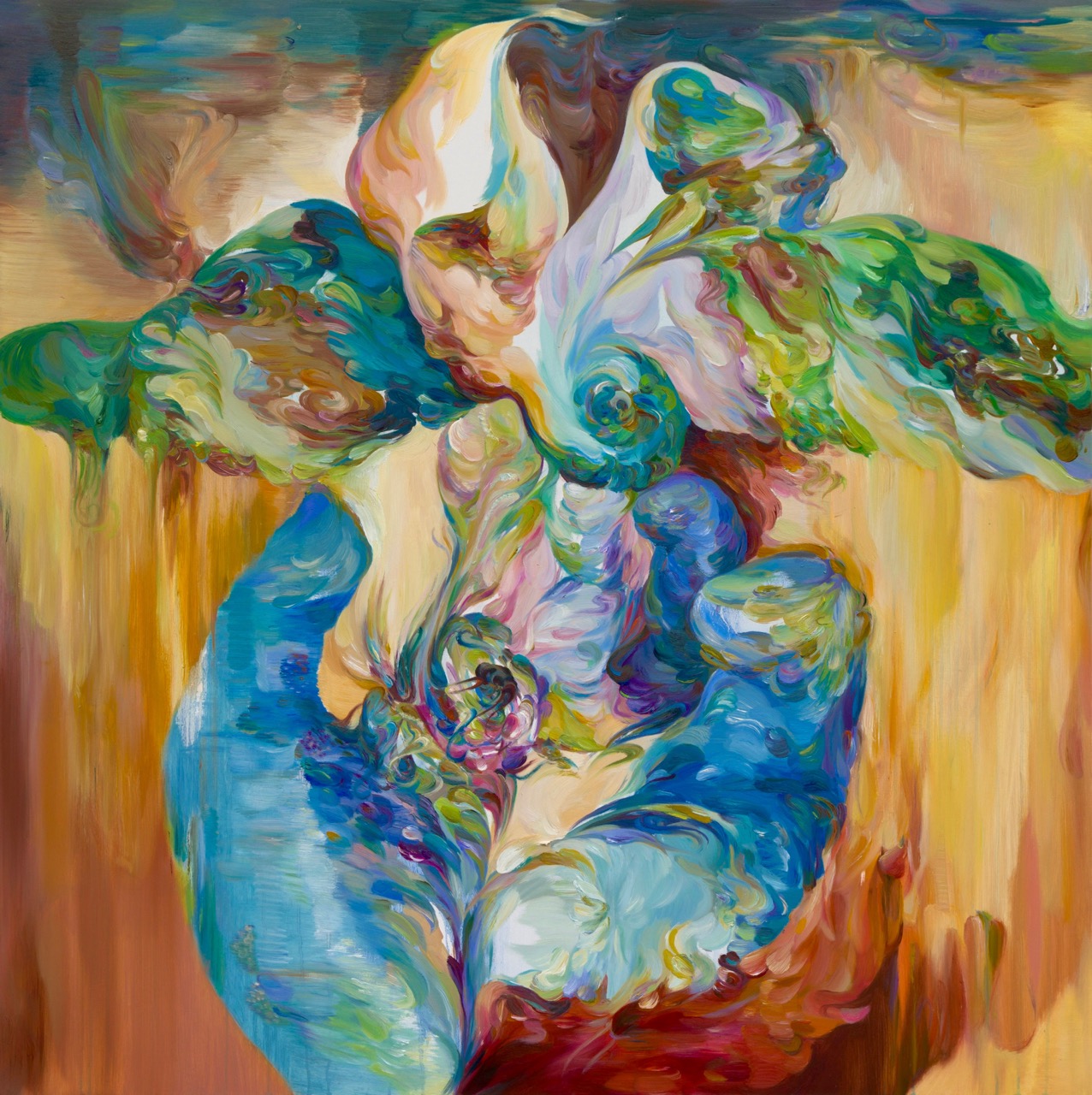
    We are unwilling to spin out our thoughts into the phantasm of sleep, making cables of cobwebs are wilderness of handsome groves,2024
    Oil on canvas
    100 × 100 cm (39 ⅜ × 39 ⅜ in) (39 ⅜ × 39 ⅜ in)
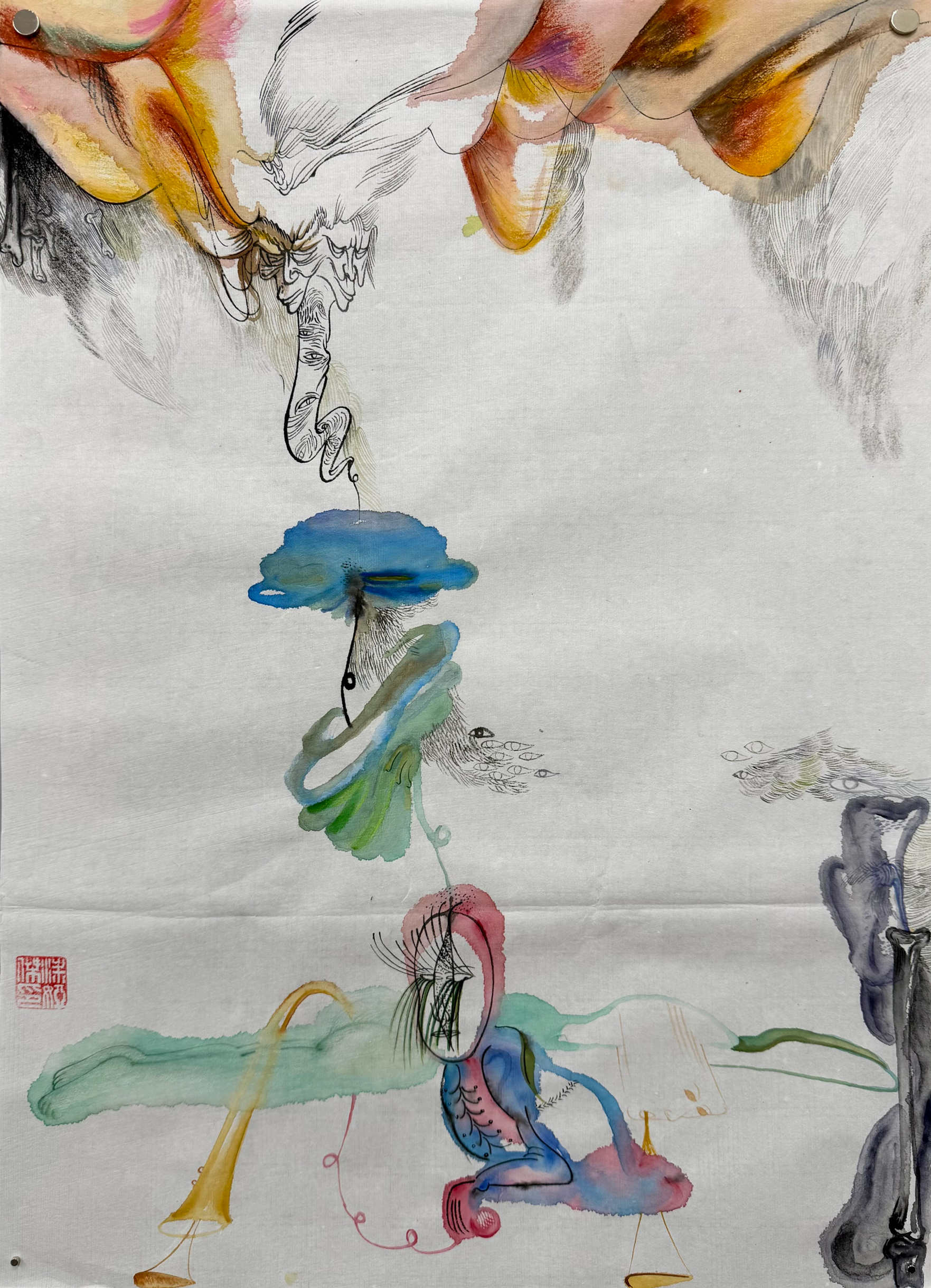
  • Yaya Yajie Liang
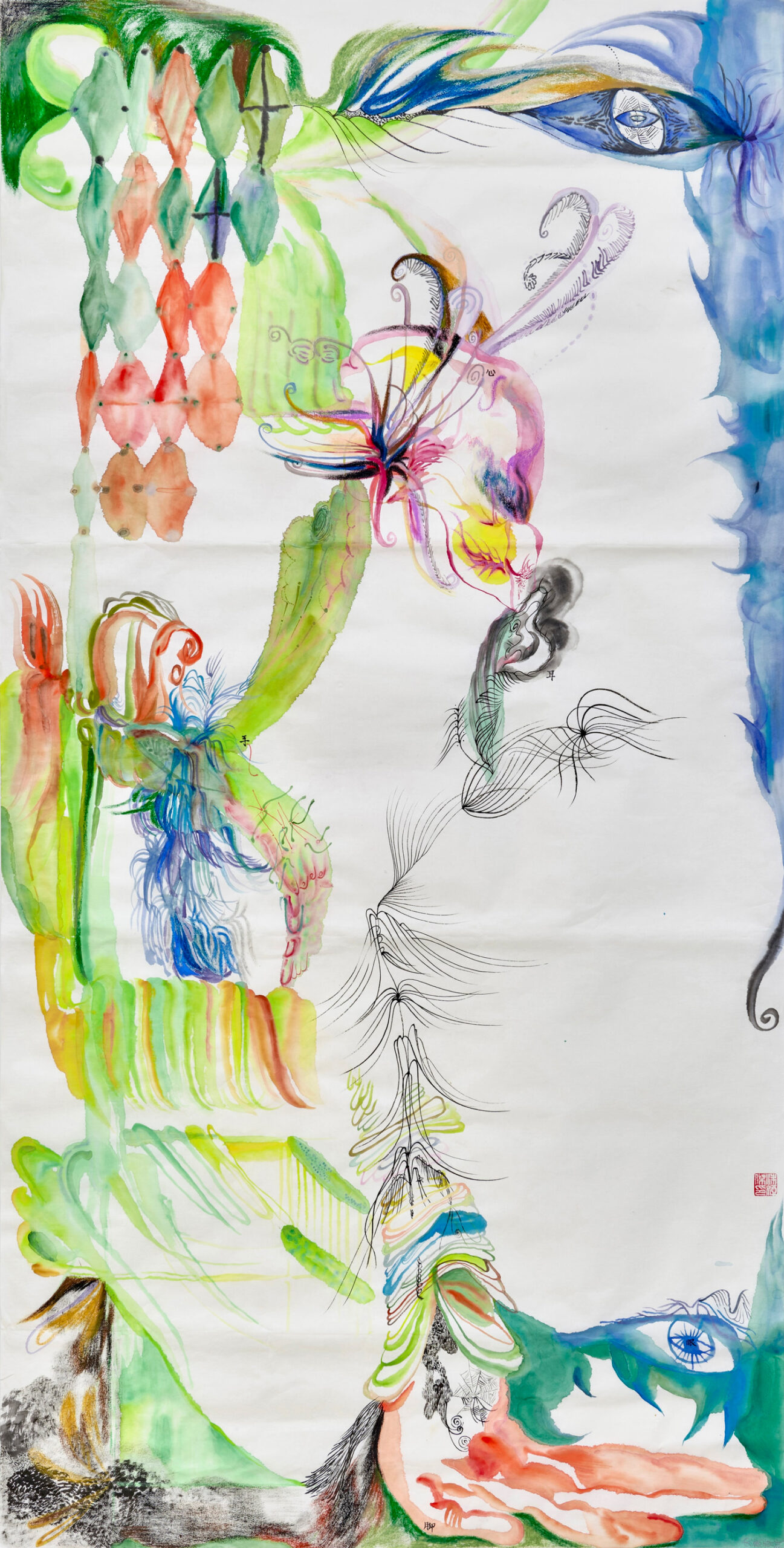
    Heart, Ear, Hand, Eye, Foot,2024
    Watercolour, ink, acrylic and oil on Chinese rice paper
    147 × 79 cm (57 ⅞ × 31 ⅛ in), framed (57 ⅞ × 31 ⅛ in)
  • Yaya Yajie Liang
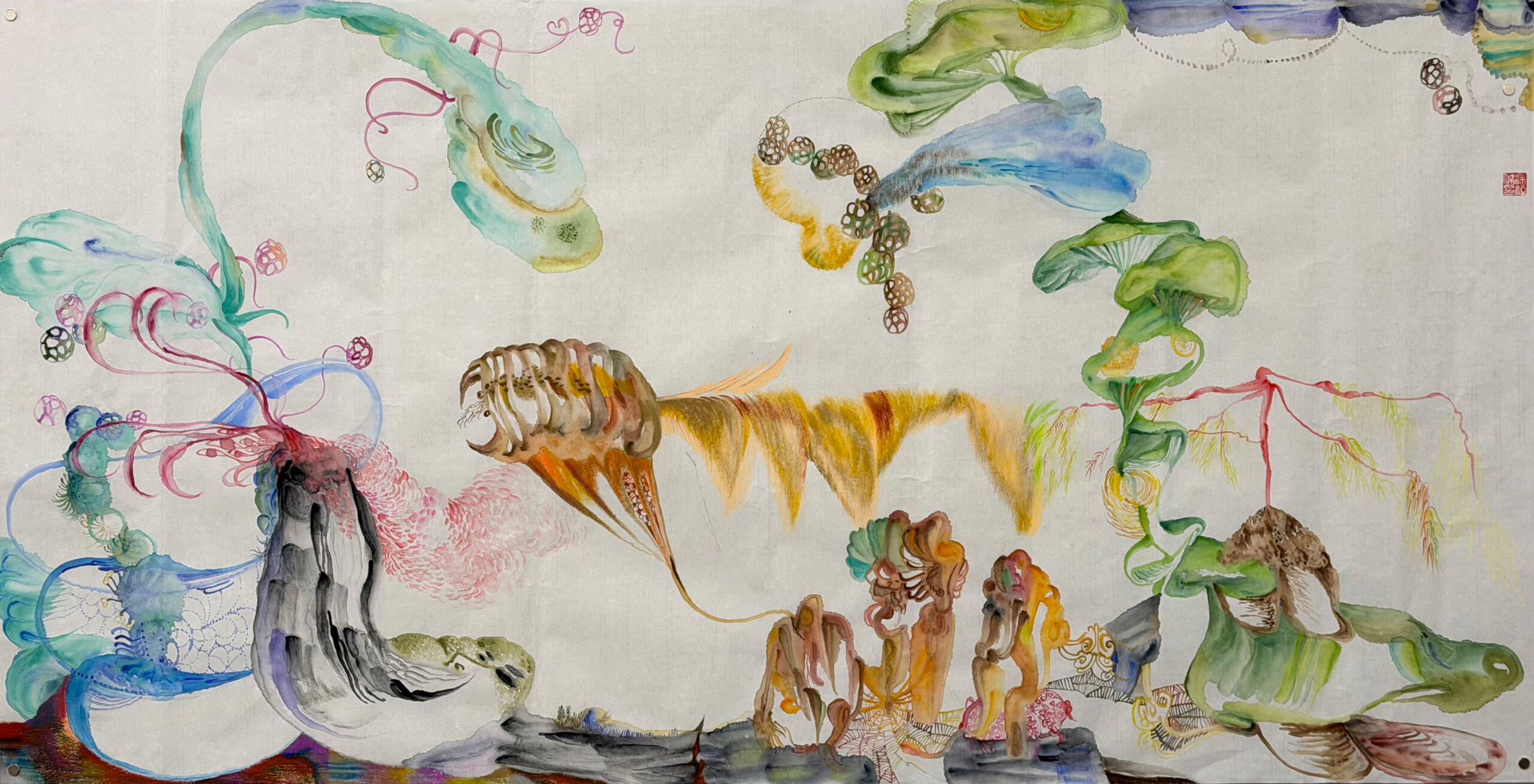
    A verdant moon tumbling into the cabin of my youth,2025
    Watercolour, ink, acrylic and oil on Chinese rice paper
    79 × 147 cm (31 ⅛ × 57 ⅞ in), framed (31 ⅛ × 57 ⅞ in)
  • Yaya Yajie Liang
    The Sun is my Name,2024
    Watercolour, ink on Chinese rice paper
    59 × 45 cm (23 ¼ × 17 ¾ in), framed (23 ¼ × 17 ¾ in)
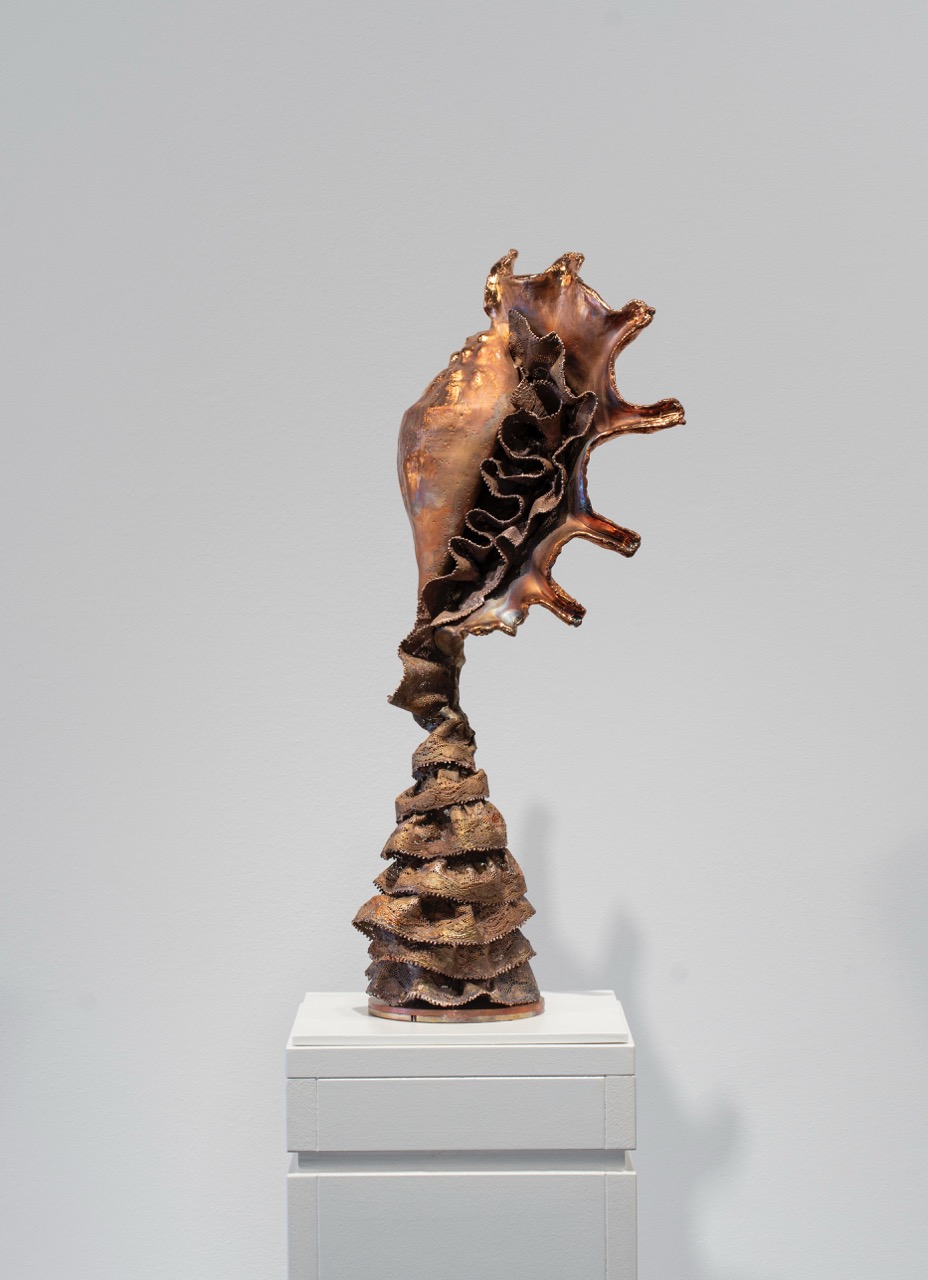
  • Julie Hamisky
    Musike,2026
    Electroformed copper and brass
    51 × 12 × 23 cm (20 ⅛ × 4 ¾ × 9 in) (20 ⅛ × 4 ¾ × 9 in)
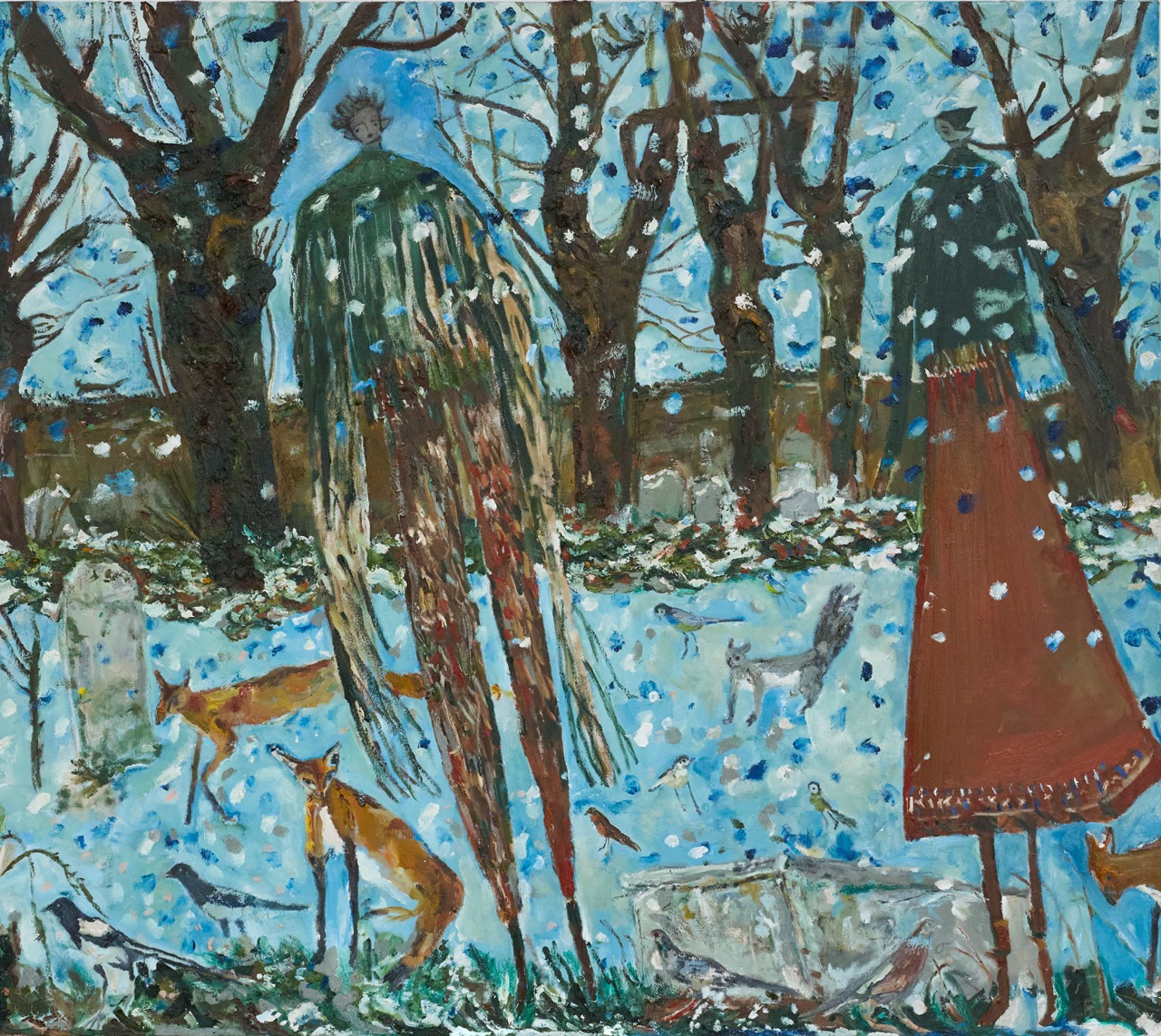
  • Melissa Kime
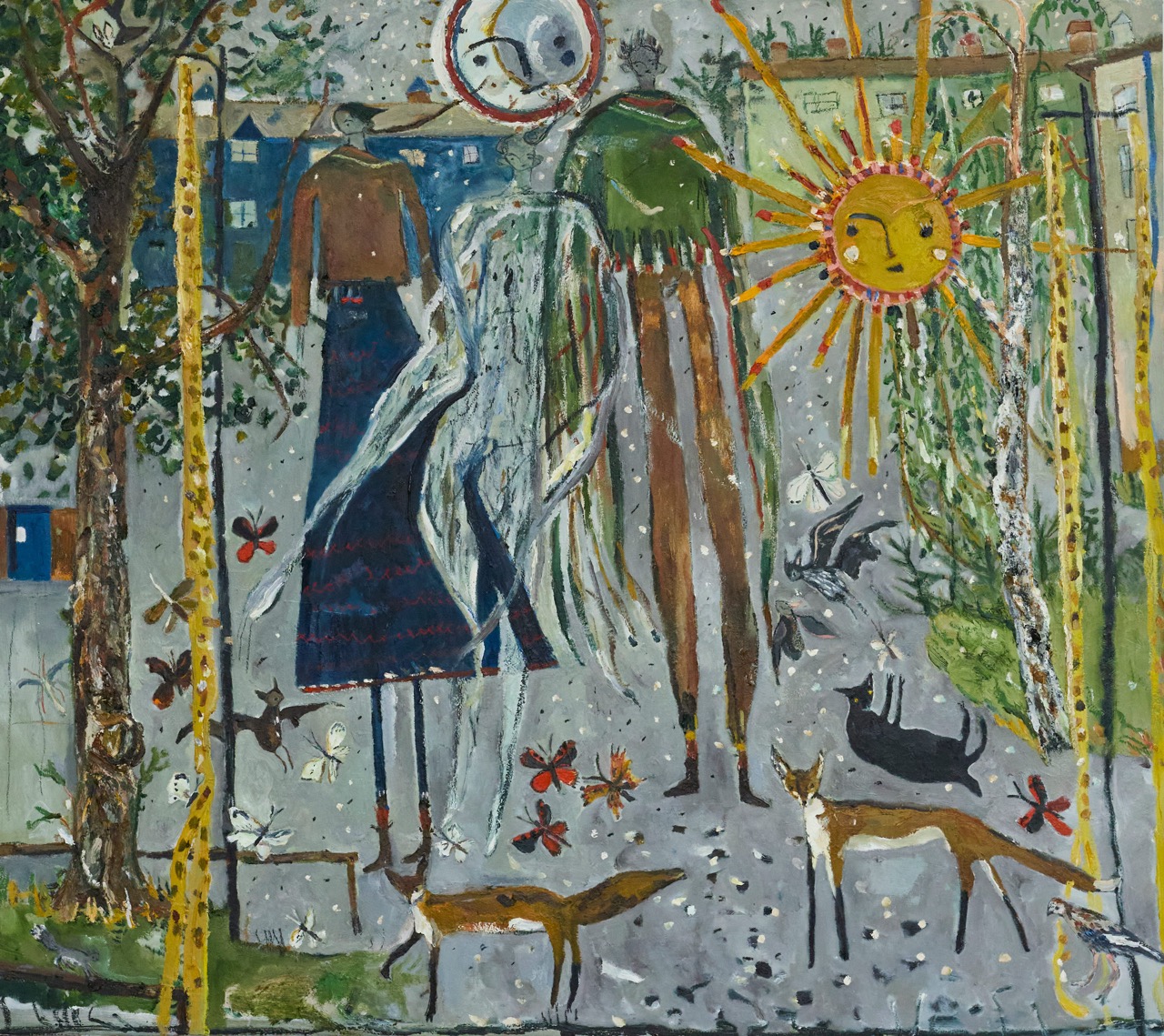
    He’s part of nature, you have to remember that,2024
    Oil, oil bar and oil pastel on canvas
    160 × 180 cm (63 × 70 ⅞ in) (63 × 70 ⅞ in)
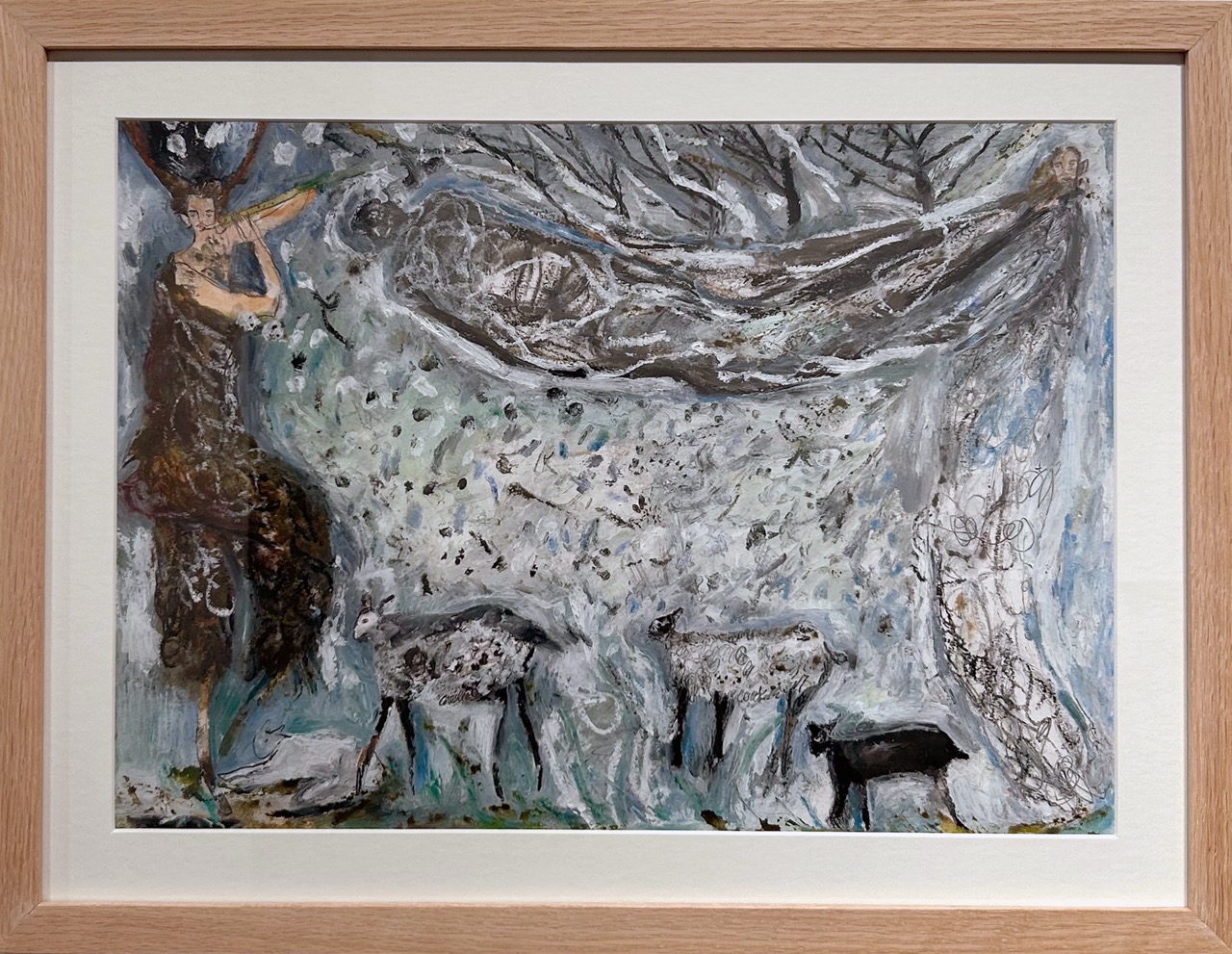
  • Melissa Kime
    Two summers ago I think I met a fawn,2021
    Oil pastel and watercolour on paper
    31.7 × 44 cm (12 ½ × 17 ⅜ in) framed (12 ½ × 17 ⅜ in)
  • Melissa Kime
    Selling her soul to the devil,2021
    Oil and oil bar on canvas
    85 × 125 cm (33 ½ × 49 ¼ in) (33 ½ × 49 ¼ in)
  • Melissa Kime
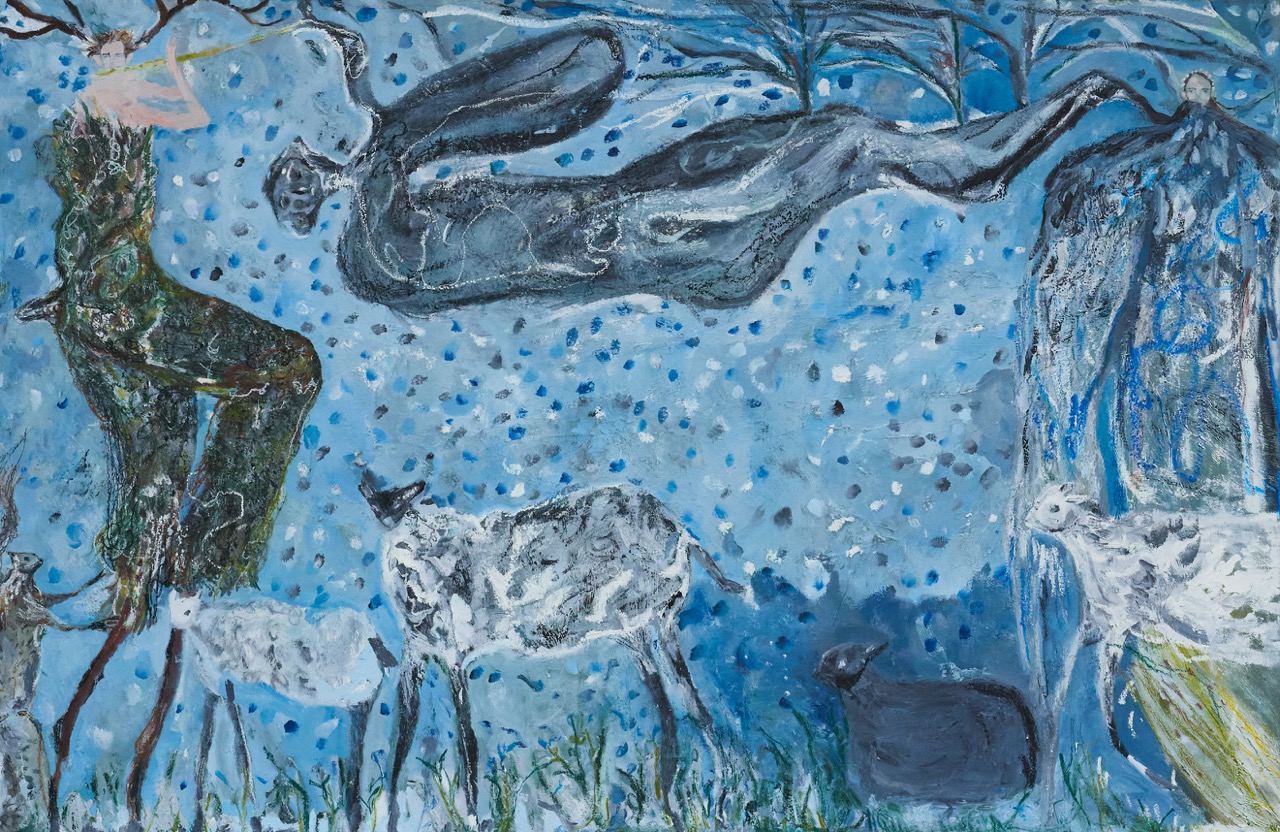
    What do you think happens to our souls when we die? I don’t know… maybe the moon collects them and turns them into stars,2025
    Oil, oil bar, oil pastel and charcoal dust on canvas
    160 × 180 cm (63 × 70 ⅞ in) (63 × 70 ⅞ in)
  • Melissa Kime
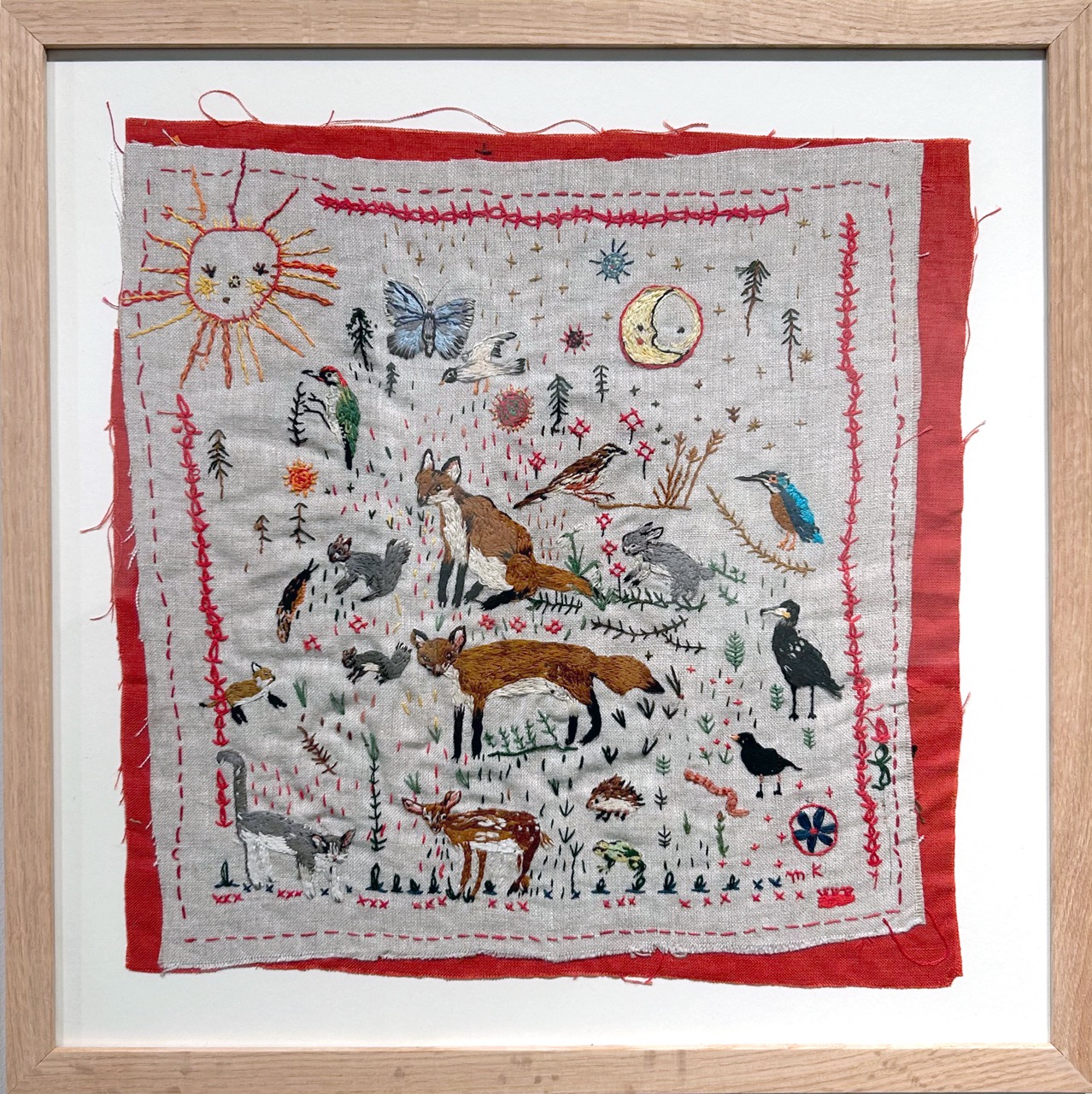
    Untitled,2026
    Embroidery work
    38 × 39 cm (15 × 15 ⅜ in), framed (15 × 15 ⅜ in)
  • Anouk Lamm Anouk
    Becoming one N°4,2026
    Shaped Canvas, aluminum and wood, acrylic on linen
    80 × 90 × 3 cm (31 ½ × 35 ⅜ × 1 ⅛ in) (31 ½ × 35 ⅜ × 1 ⅛ in)
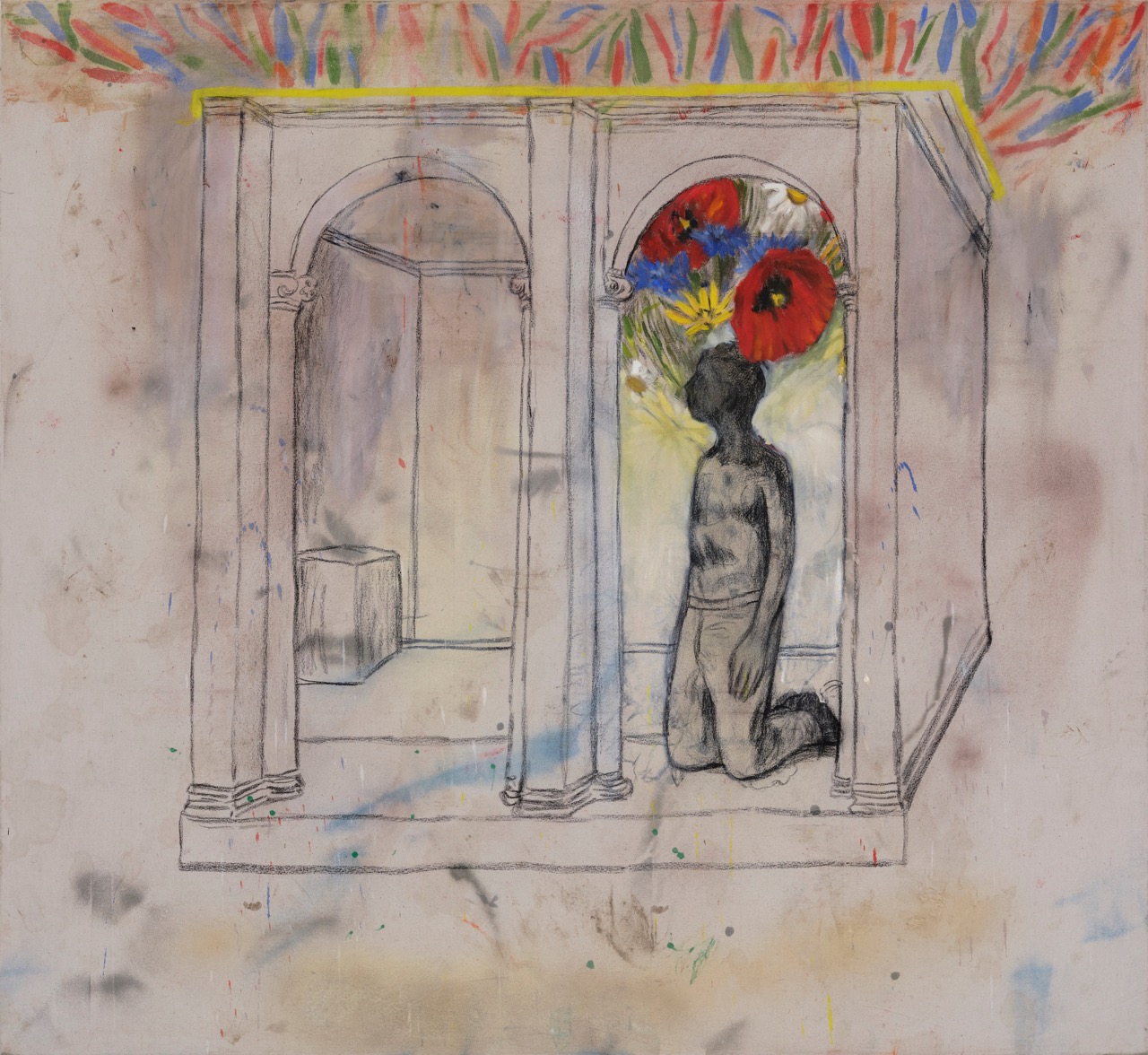
  • Enrique Martínez Celaya
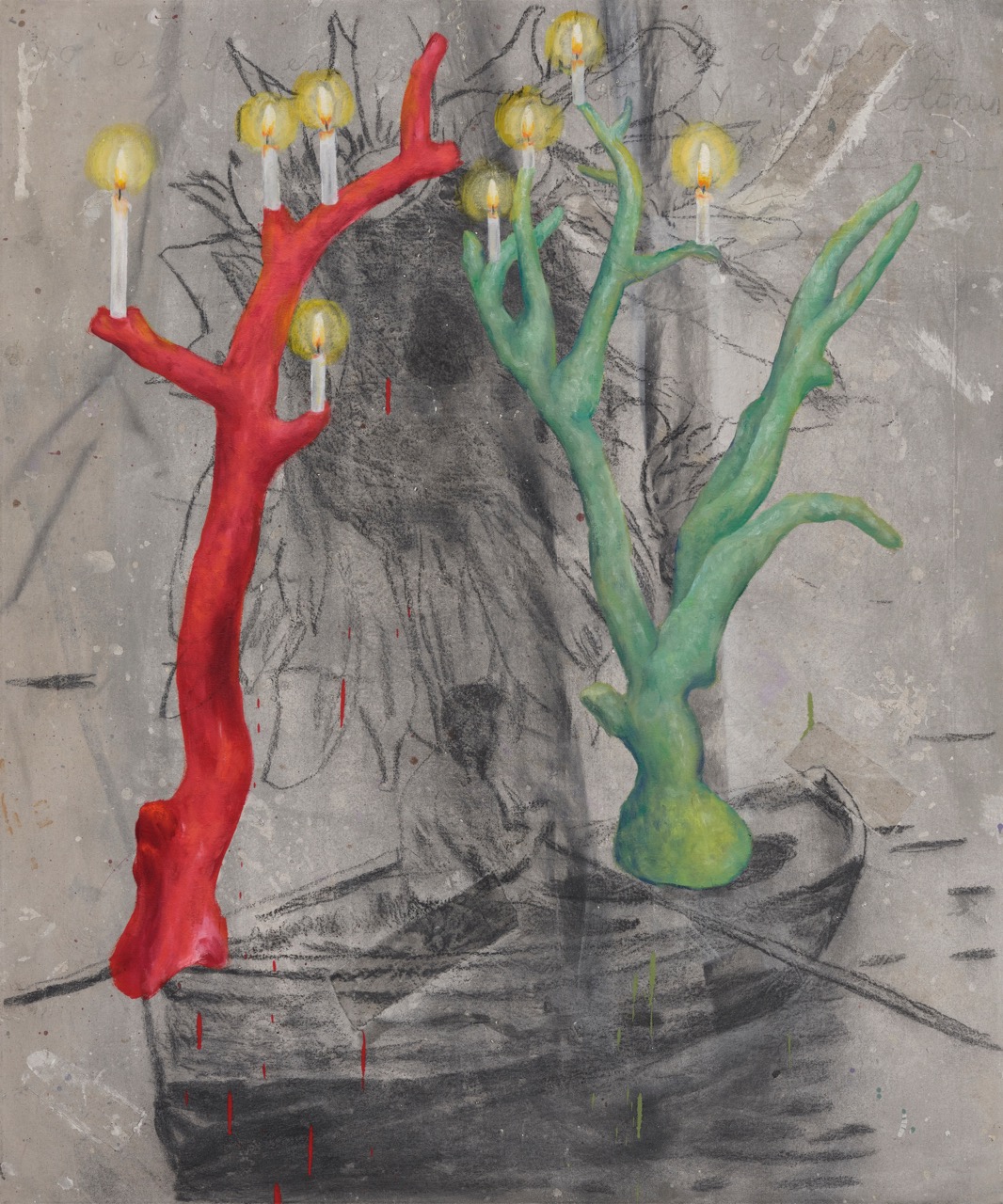
    The Sweetest Sound of All,2024
    Oil, wax, and charcoal on canvas
    190 × 208 cm (74 ¾ × 81 ⅞ in) (74 ¾ × 81 ⅞ in)
  • Enrique Martínez Celaya
    The Inertia of Embarking,2024
    Oil, wax, and charcoal on canvas
    152 × 127 cm (59 ⅞ × 50 in) (59 ⅞ × 50 in)
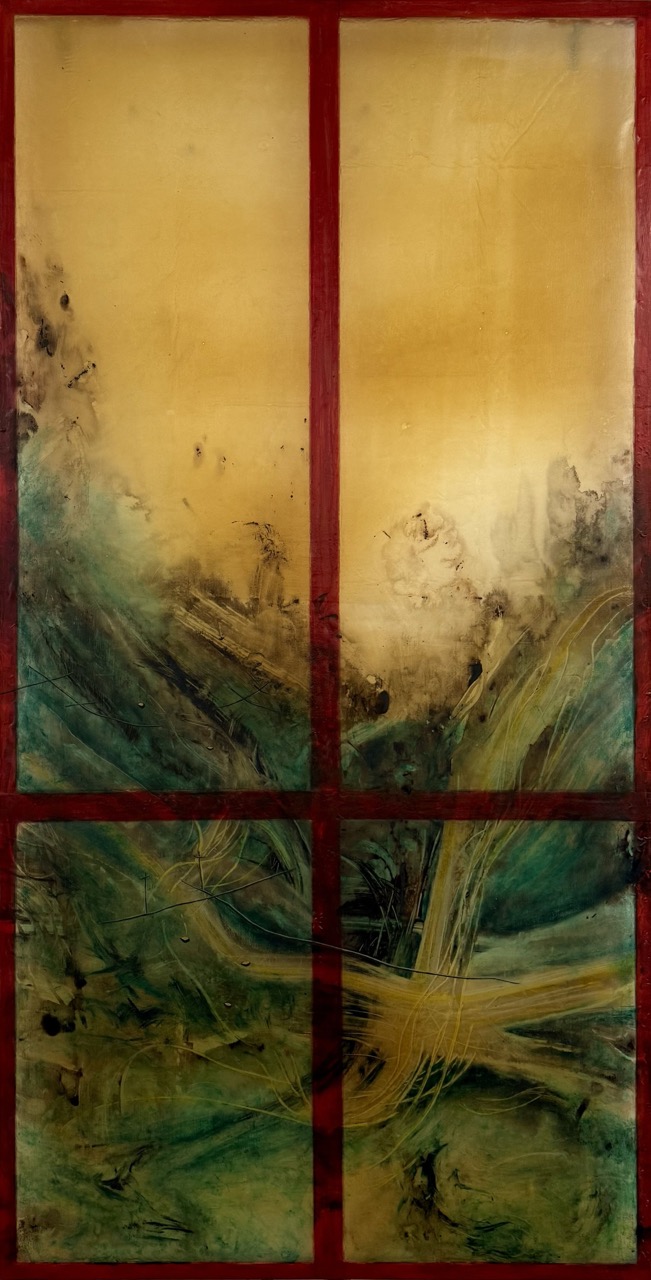
  • KV Duong
    Untitled (Enigma), no. 3,2026
    Acrylic on latex (resin-fibreglass backing), painted wooden stretcher
    198 × 100 cm (78 × 39 ⅜ in) (78 × 39 ⅜ in)
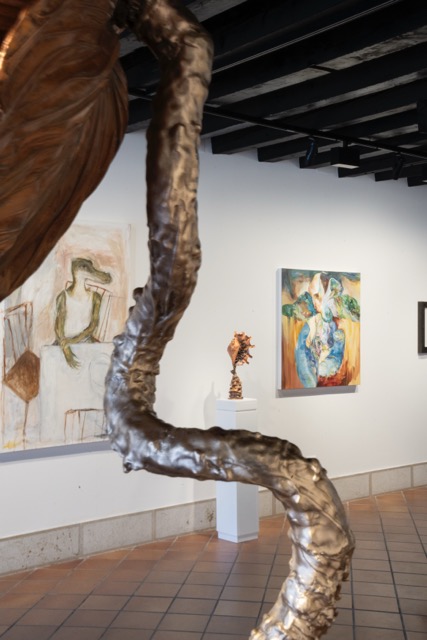
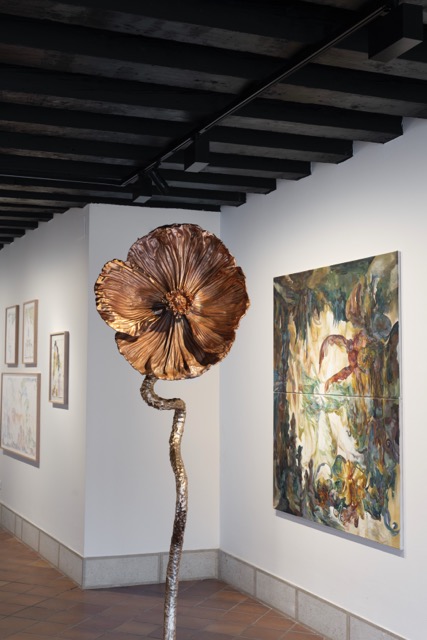
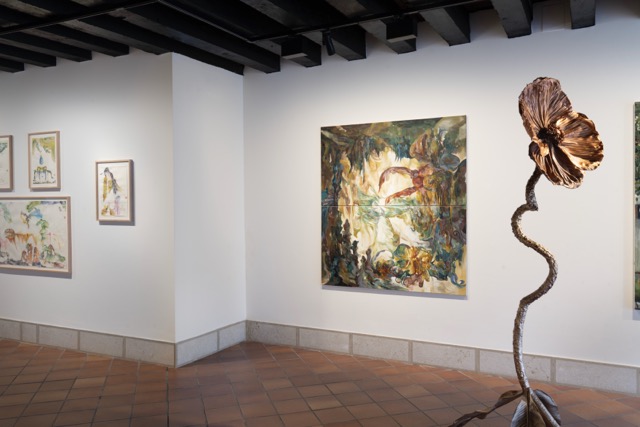
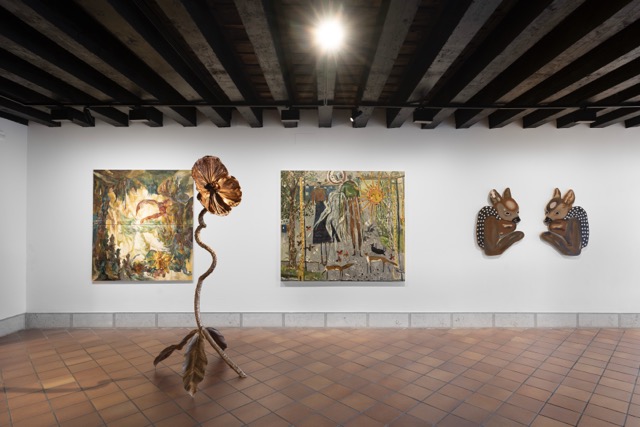
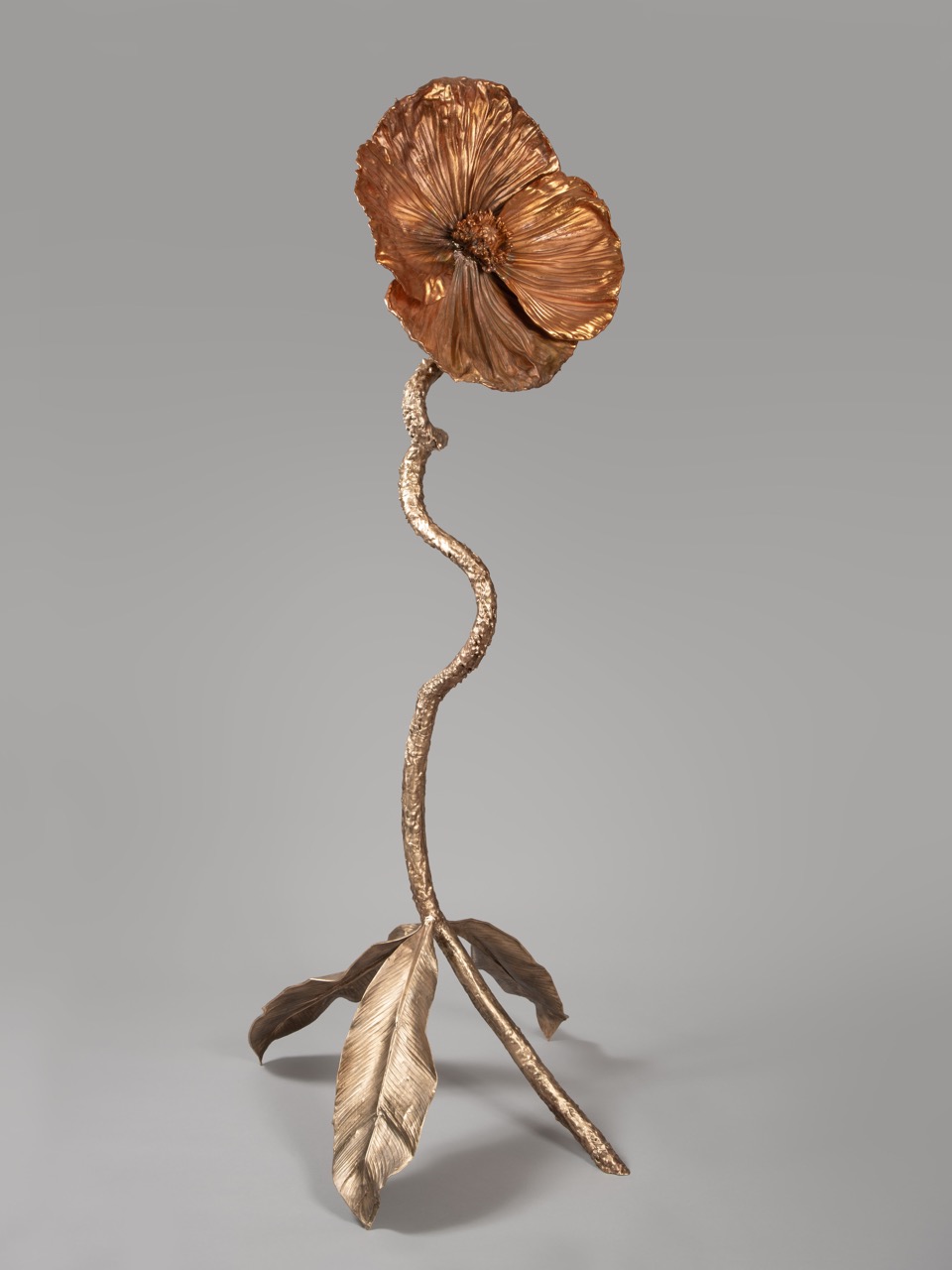
  • Julie Hamisky
    La Géante,2026
    Electrolised copper, bronze
    238 × 90 × 112 cm (93 ¾ × 35 ⅜ × 44 ⅛ in) (93 ¾ × 35 ⅜ × 44 ⅛ in)
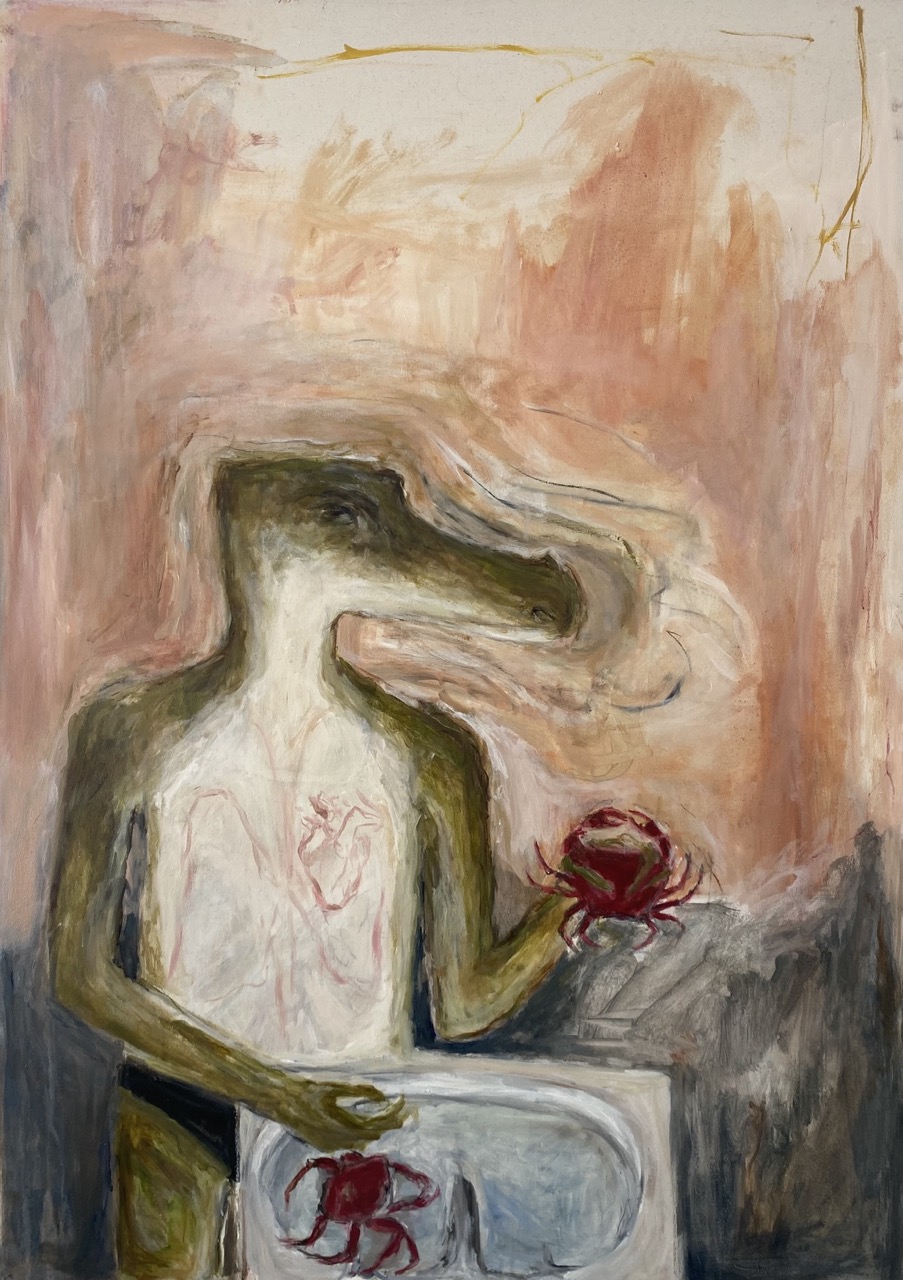
  • Layla Andrews
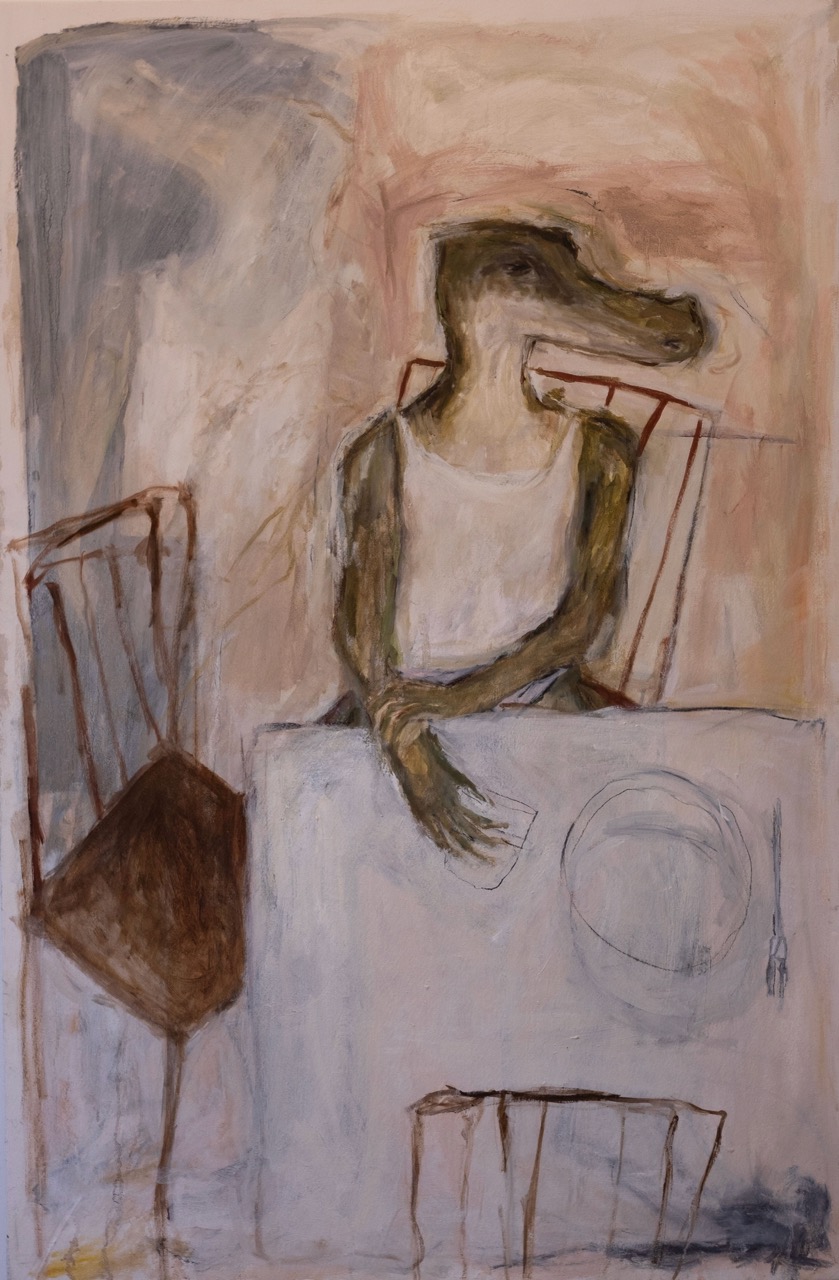
    A Table For Two,2025
    Oil on canvas
    150 × 100 cm (59 × 39 ⅜ in) (55 ⅛ × 39 ⅜ in)
  • Layla Andrews
    We’re No Strangers,2024
    Oil and charcoal on canvas
    140 × 100 cm (55 ⅛ × 39 ⅜ in) (55 ⅛ × 39 ⅜ in)
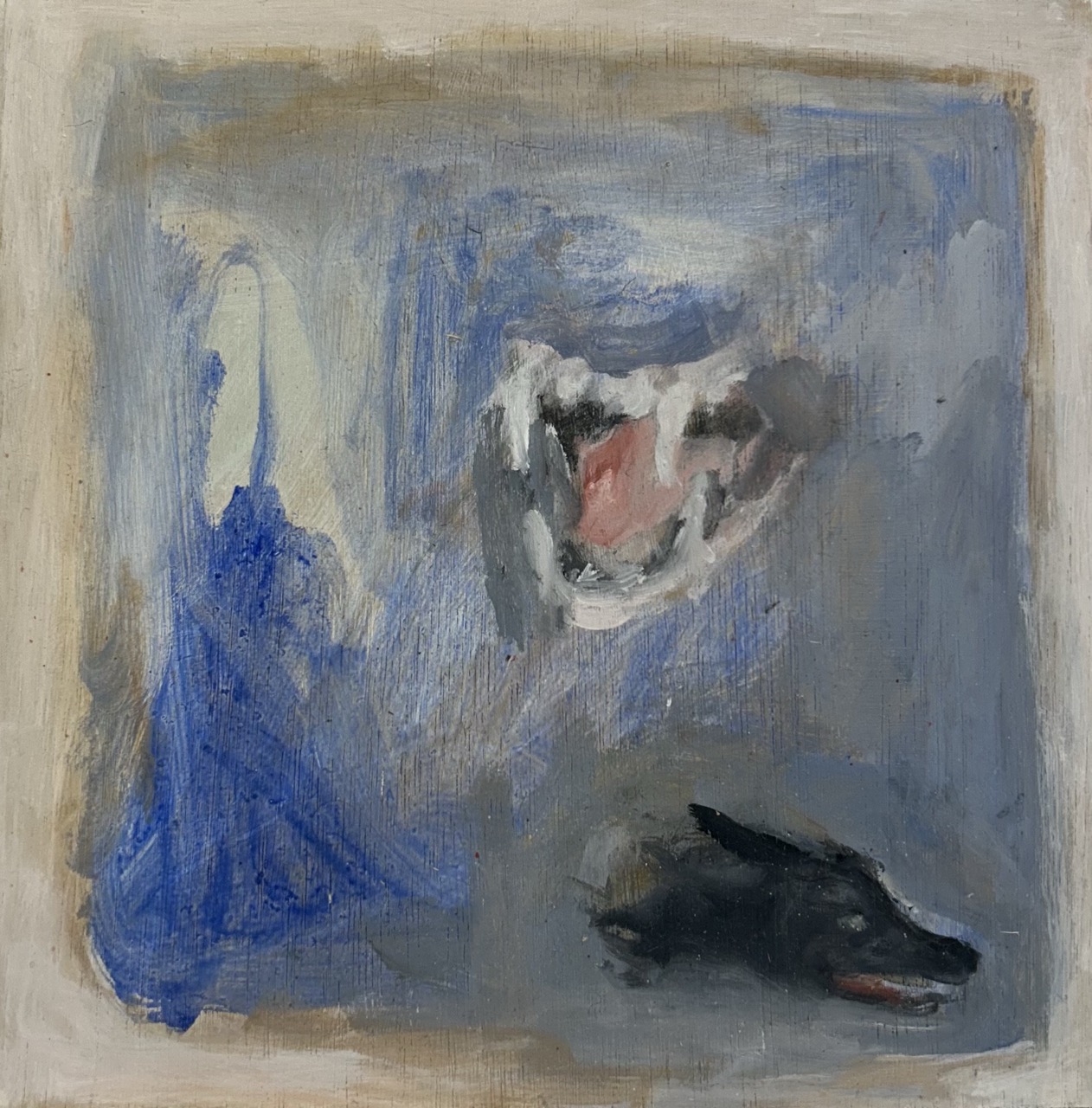
  • Layla Andrews
    Dog Teeth,2025
    Oil on board
    20.5 × 20.5 cm (8 ⅛ × 8 ⅛ in) (8 ⅛ × 8 ⅛ in)
  • Anouk Lamm Anouk
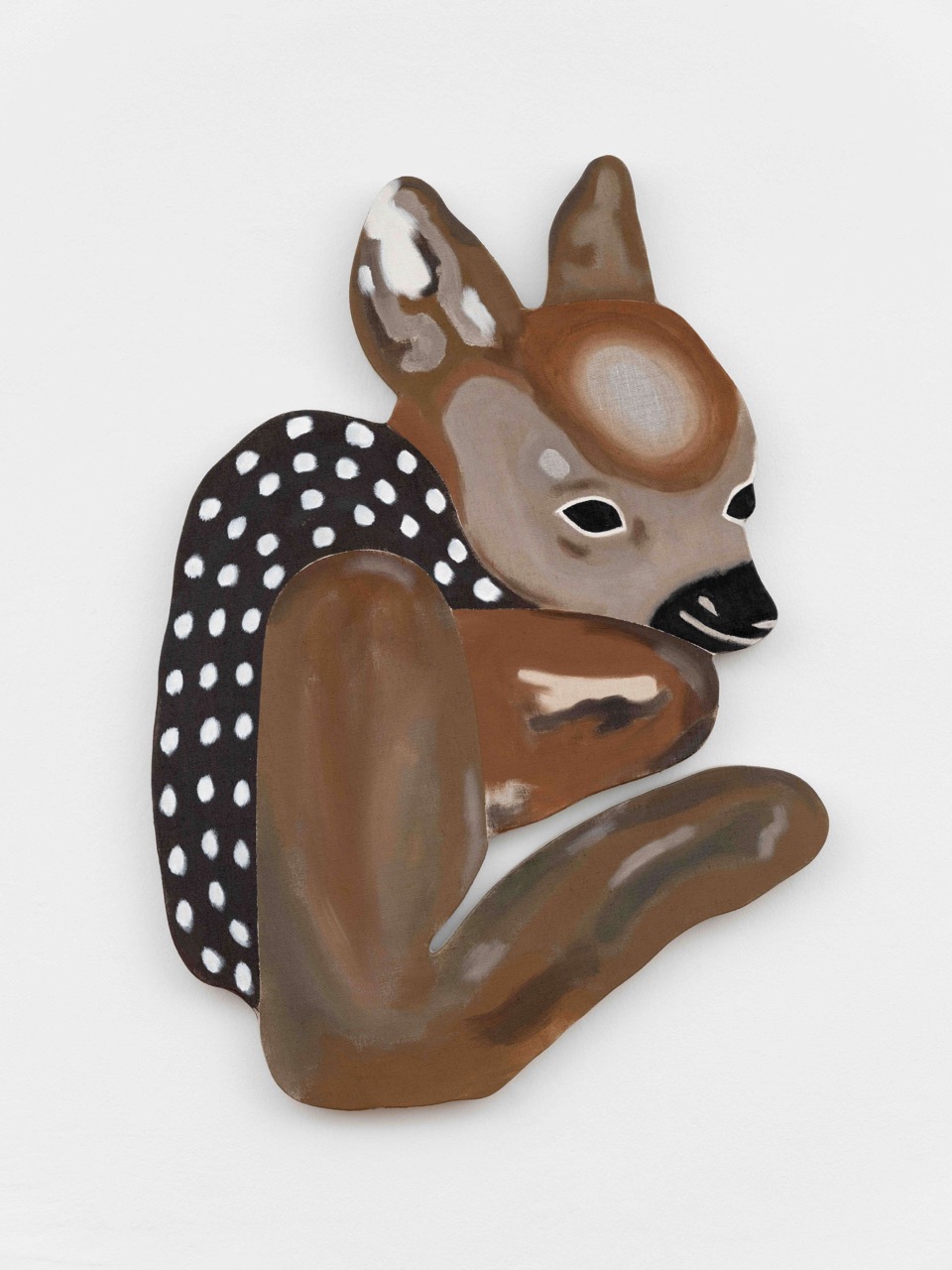
    Deer Diptych N°3 (N°1), left,2025
    Shaped Canvas, aluminum and wood, acrylic on linen
    106 × 74 × 3cm (41 ¾ × 29 ⅛ × 1 ⅛ in) (41 ¾ × 29 ⅛ × 3cm in)
  • Anouk Lamm Anouk
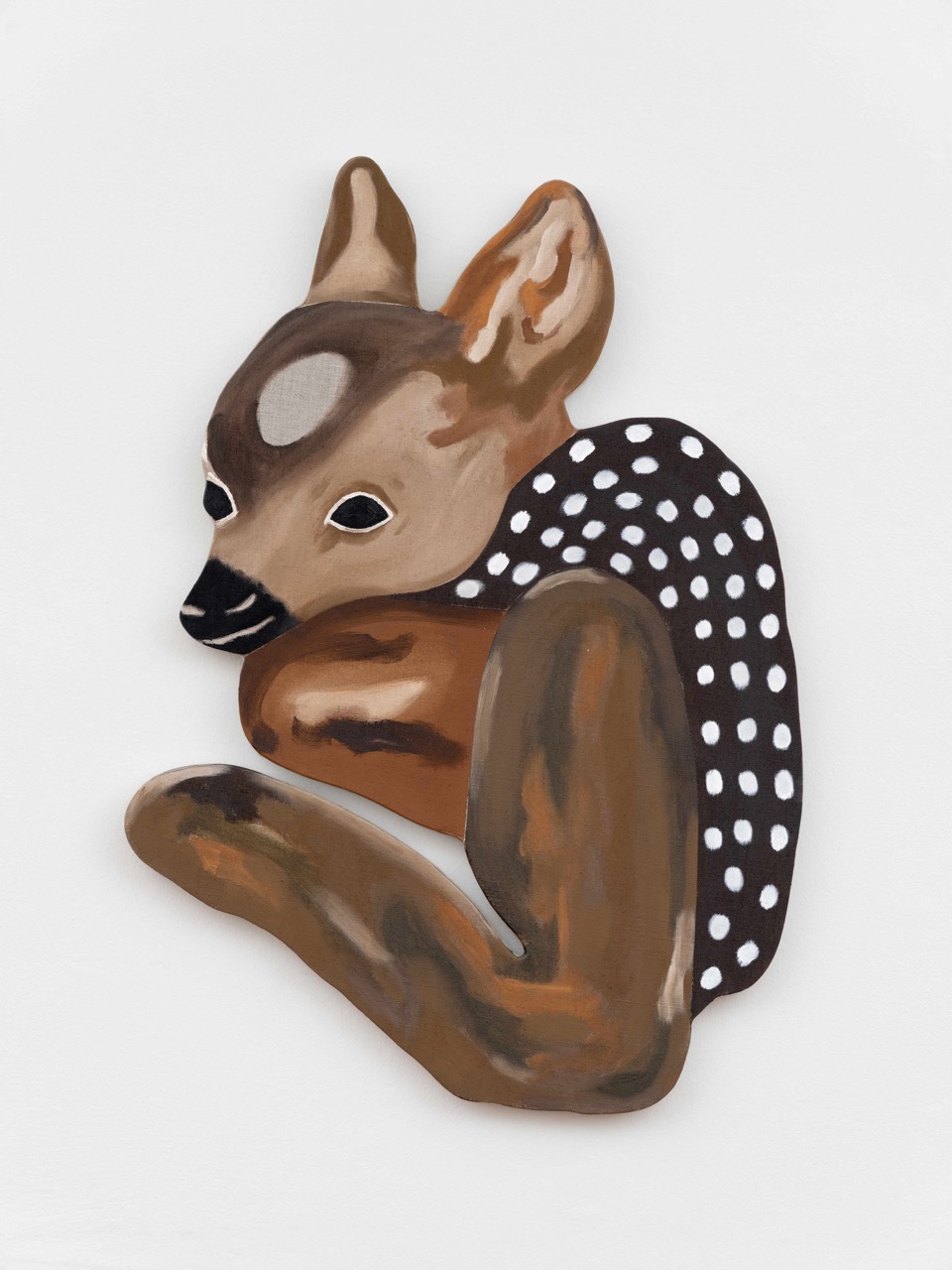
    Deer Diptych N°3 (N°2), right,2025
    Shaped Canvas, aluminum and wood, acrylic on linen
    106 × 74 × 3cm (41 ¾ × 29 ⅛ × 1 ⅛ in) (41 ¾ × 29 ⅛ × 3cm in)

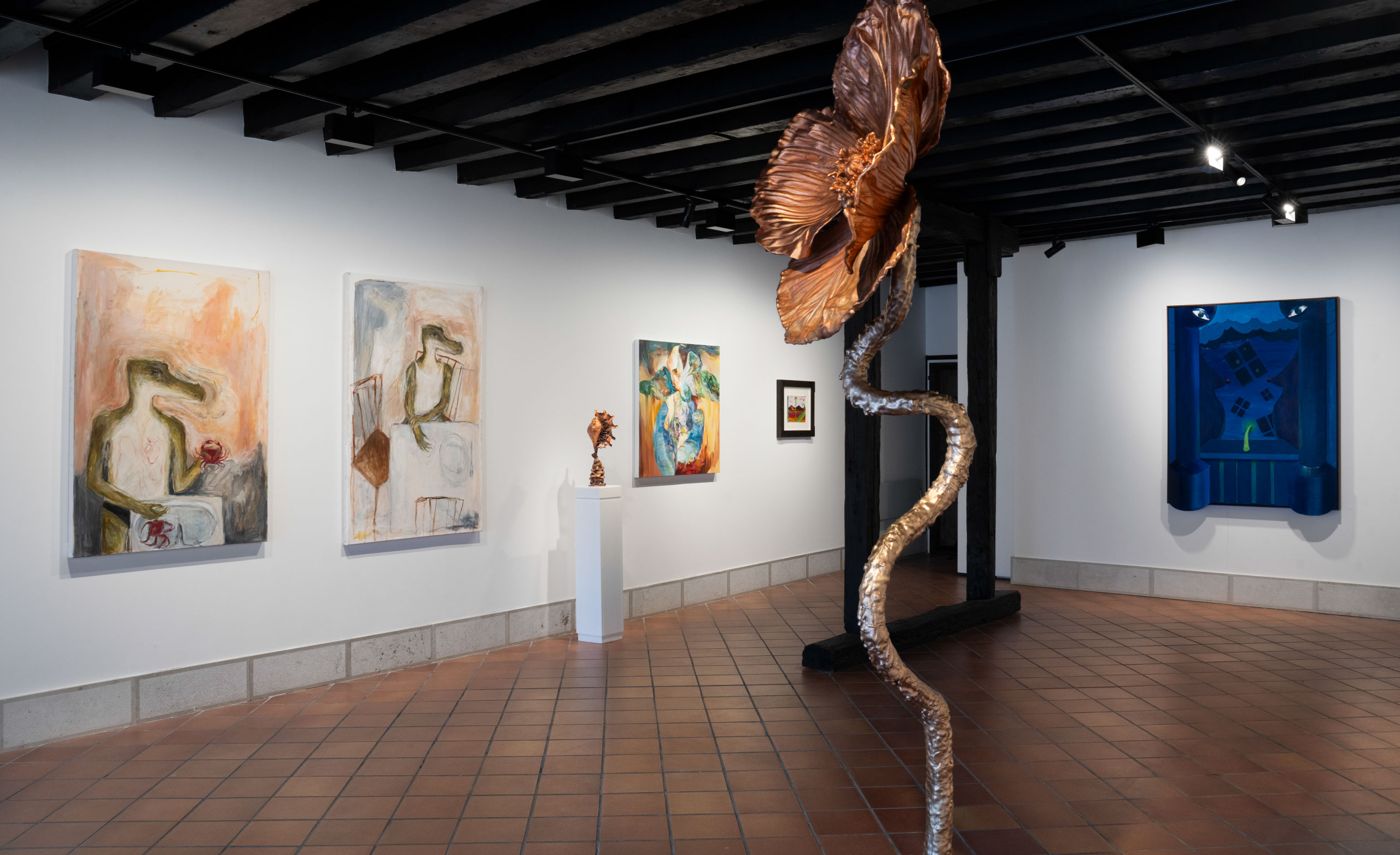
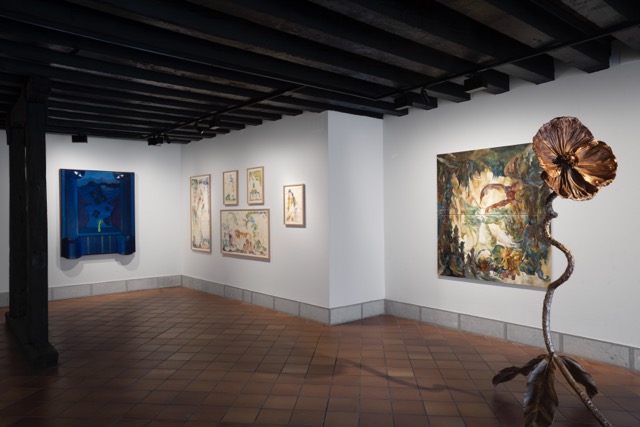
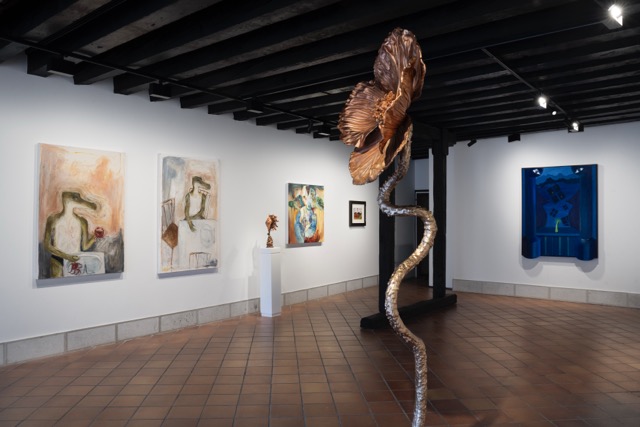
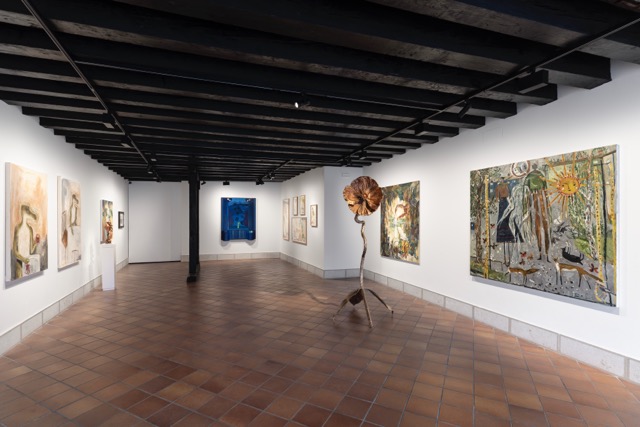
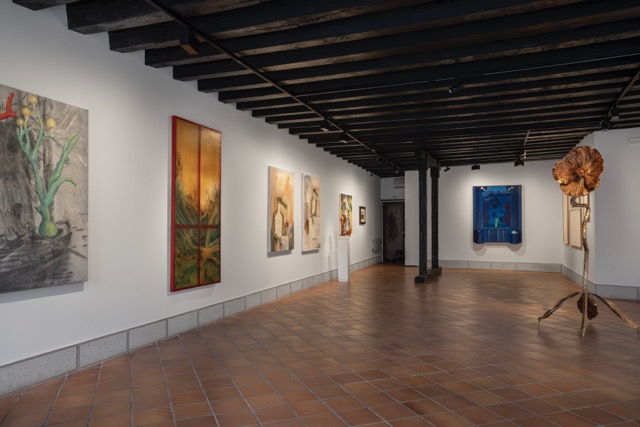
Bringing together a group of international artists whose work channels the spirit of the universe, this exhibition considers our enduring connection to the natural world. Across painting and sculpture, the artists gathered here turn their attention to the moon, earth, animals, water, plant life and symbolic forms drawn from nature, reflecting on the unseen forces that shape our lives. Magic, surrealism and the quiet intelligence of organic forms run through the works on view, inviting us to slow down and contemplate the threads that bind all living beings.

The exhibition takes its title from Yaya Yajie Liang’s 2024 painting We are unwilling to spin out our thoughts into the phantasm of sleep, making cables of cobwebs are wilderness of handsome groves. Liang’s practice is rooted in queer ecology, exploring the natural world as a space of expansive possibility where diversity of form is celebrated. Within ecosystems across the planet, variations of gender, sexuality and relationality flourish without judgement. For Liang, nature offers not only a model of this multiplicity but also a site of nurture and healing. Her delicate watercolours on Chinese rice paper capture fleeting moments where organic shapes seem to shift and dissolve. Leaves, tendrils and bodies swirl together, forming surreal constellations that evoke the magical essence of the natural world.

A similarly transformative relationship to nature appears in the paintings of Alexandria Smith. Smith’s figures are often pictured in states of cleansing or rebirth, bathed in moonlight or emerging from waves. Water and lunar light become agents of change, washing away the burdens of the past and opening space for new futures. Ornate frames extend the narratives of the paintings beyond their edges, inviting viewers to step fully into Smith’s imaginative world. Her work draws upon the legacy of twentieth century female surrealists while looking forward, suggesting speculative possibilities for who we might become once we surrender to the rhythms of the cosmos.

Folklore and myth shape the dreamlike scenes created by Melissa Kime. Her paintings draw upon the visual language of fairy tales, weaving together women, animals and seasonal landscapes. Throughout history, women have been imagined as healers, guardians of cycles and custodians of knowledge passed quietly between generations. Kime embraces these associations, depicting moments of transition that feel suspended between worlds. Figures appear alongside animals or within shifting environments that suggest the turning of seasons. In these spaces the boundary between human and nature dissolves, allowing the viewer to pause within a threshold moment of transformation.

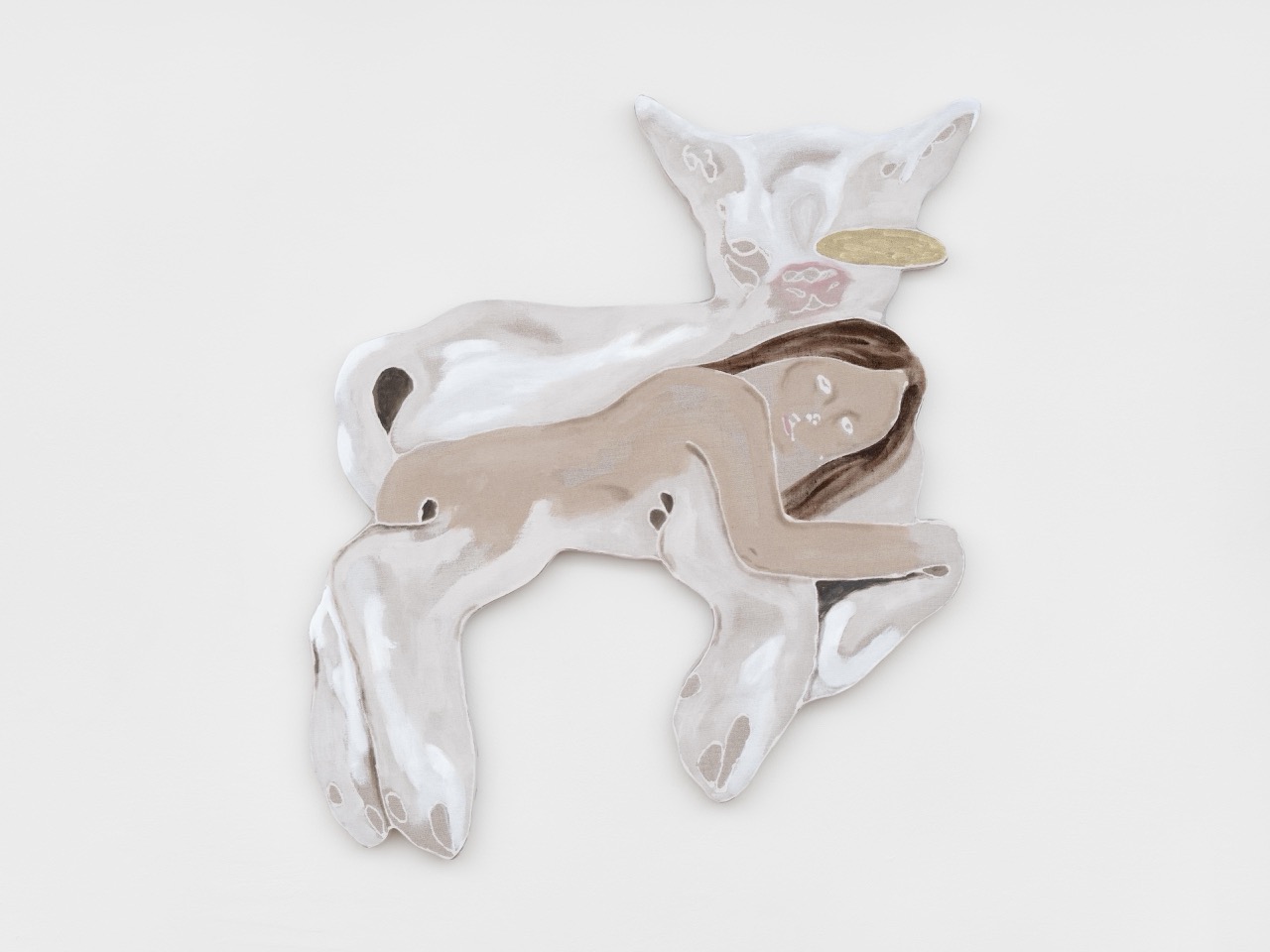
Anouk’s paintings also draw upon a lineage of artists who explored close relationships between humans and animals. Queer painters such as Romaine Brooks, Lotta Laserstein and Renée Sintenis frequently included animals alongside their subjects, while the celebrated French painter Rosa Bonheur built her career painting animals with remarkable sensitivity. These histories resonate within Anouk’s practice. In the smaller shaped canvases presented here, animals appear as companions and counterparts, rendered in a restrained palette that allows bodies and the natural world to gently merge. Human figures remain deliberately neutral in form, creating a sense of openness that allows different viewers to recognise themselves within the scene. In these quiet encounters, whether through the painted figure or the viewer’s own presence, the human and animal worlds meet on equal terms. The paintings evoke the atmosphere of old stories and fables, where animals often act as guides, mirrors or spirit companions, inviting us to consider the subtle bonds that connect all living beings.

Layla Andrews also draws upon animal imagery to explore the complexities of human experience. A recurring crocodile head appears throughout her paintings, an uncanny presence that blurs the line between instinct and consciousness. Raised within a matriarchal household and informed by her mixed race heritage, Andrews approaches storytelling as a layered and emotional process. Her paintings carry traces of memory, grief and resilience, exploring how personal histories become entangled with wider cultural narratives. In dialogue with Anouk’s work, Andrews reminds us that humans are animals too, guided by instincts that connect us deeply to the living world around us.
true

The landscape itself becomes a site of memory in the work of KV Duong. In Untitled (Enigma), no 3, he paints landscapes from his native Vietnam, terrains that carry the visible and invisible traces of war. His distinctive use of latex creates a surface that is at once sensuous and unsettling, recalling both skin and earth. For Duong, landscapes are never neutral. They absorb history, holding the imprint of violence, displacement and time. Yet within these works the land also appears resilient. Nature persists, continuing to grow and shift despite what has occurred upon it. In this sense the landscape offers both witness and possibility, carrying the scars of the past while remaining open to renewal.

The work of Enrique Martínez Celaya approaches nature through a poetic and philosophical lens. Integrating nuanced observations of fleeting experiences with enduring questions of memory, time and belonging, his paintings bring together carefully rendered figures, fragments of landscape and suggestive marks or lines of text. These elements often coexist in states of completion and incompletion, creating images that feel suspended between presence and memory. Drawing upon myth, nature and personal history, Martínez Celaya’s work explores the fragile space between displacement and belonging, holding a quiet sense of vulnerability and connection.

Julie Hamisky’s sculptures bring the exhibition into three dimensional form through delicate arrangements of flowers and shells. Raised in the countryside south of Paris and later working within the studio of her grandmother, Claude Lalanne, Hamisky developed a fascination with preserving the fleeting beauty of organic matter. Using electrolysis, a process that transforms living plants into metal, she suspends fragile forms in time. Her compositions challenge balance, appearing almost impossible in their arrangement. They remind us that nature follows its own order, one that often exceeds human understanding. Together these artists offer different pathways into the same fundamental realisation. The natural world is not separate from us but deeply intertwined with who we are. Landscapes hold memory, animals mirror our instincts and plants trace the rhythms of life itself. In turning towards these connections, the works in this exhibition ask us to imagine a future shaped not by domination of nature but by listening to its wisdom. Within that shift lies the possibility of healing, transformation and renewed belonging.

Subscribe to Our Newsletter


© PLC Gstaad GmbH. All rights reserved. Made by Creapowa