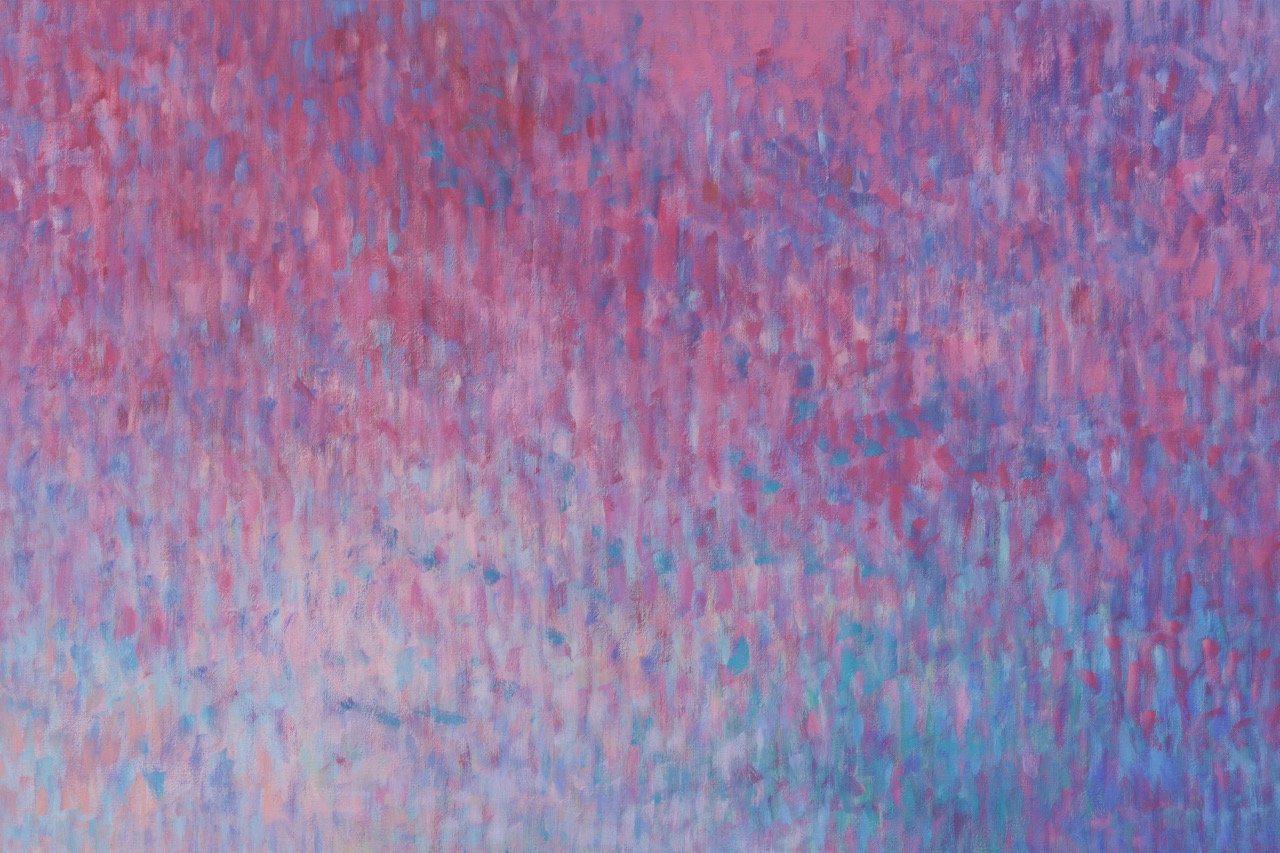
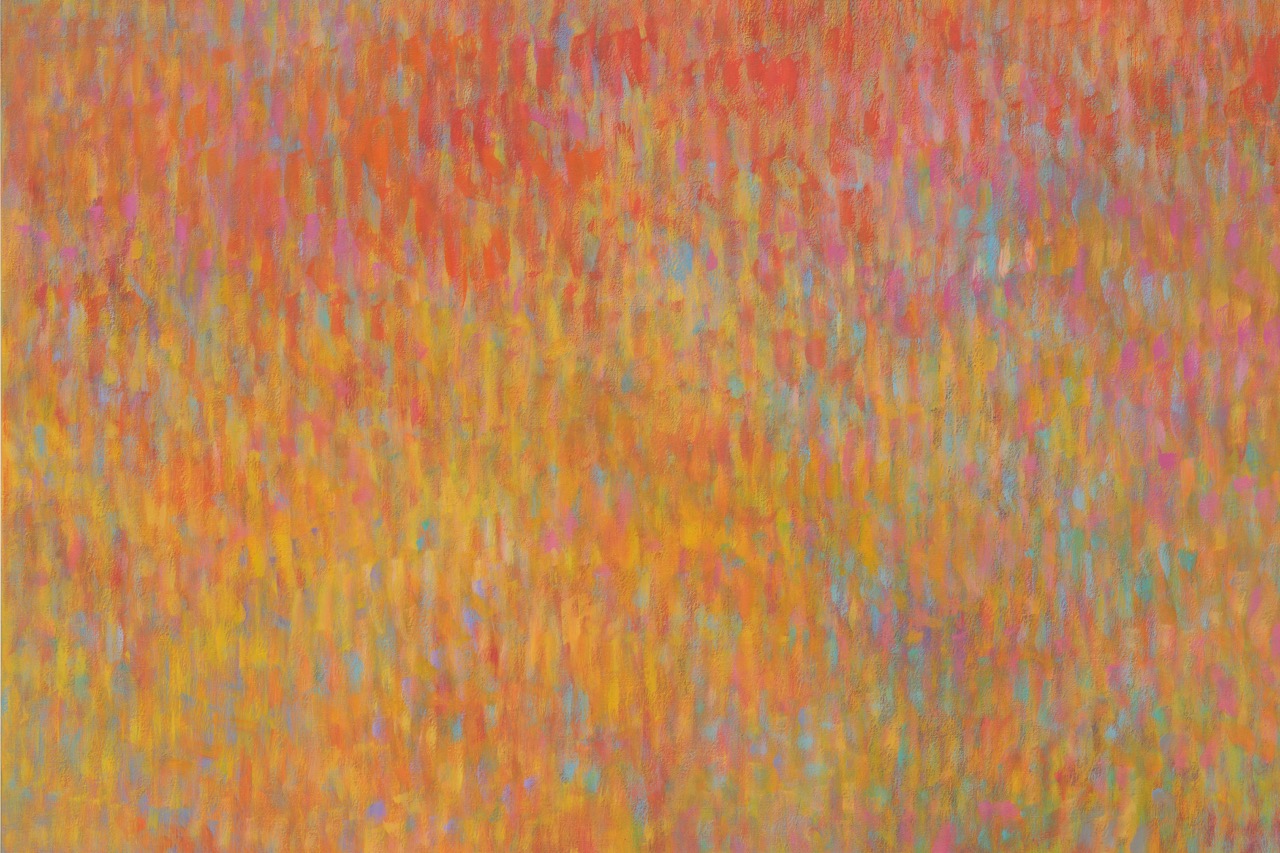
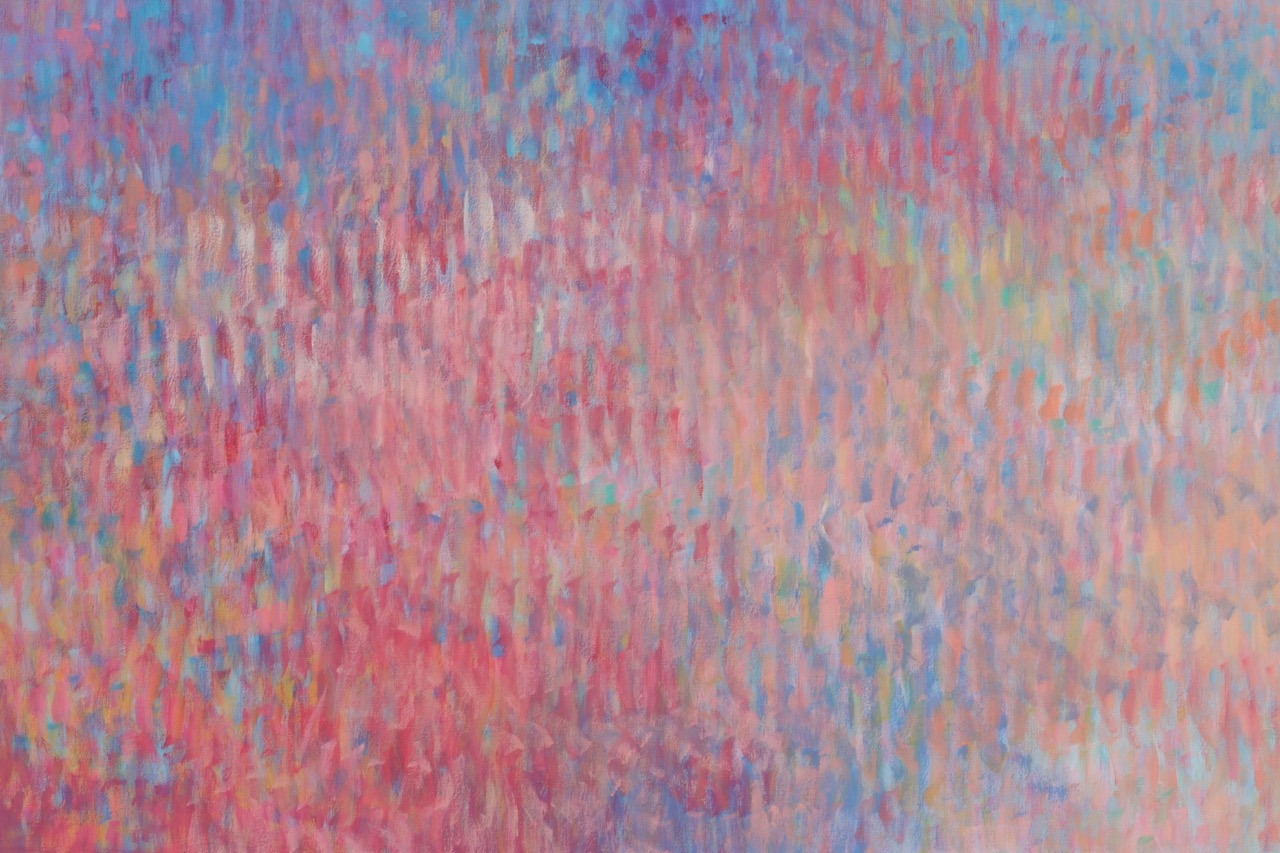
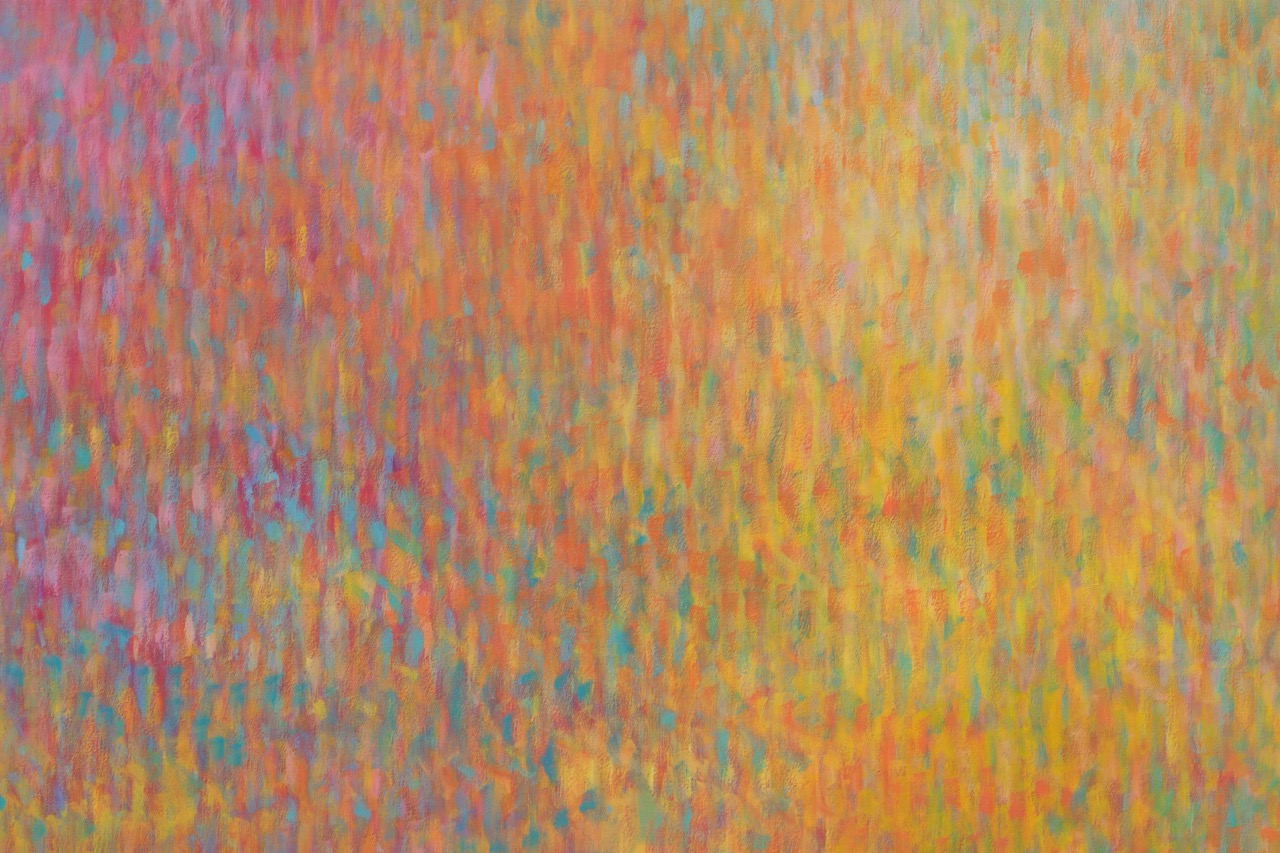
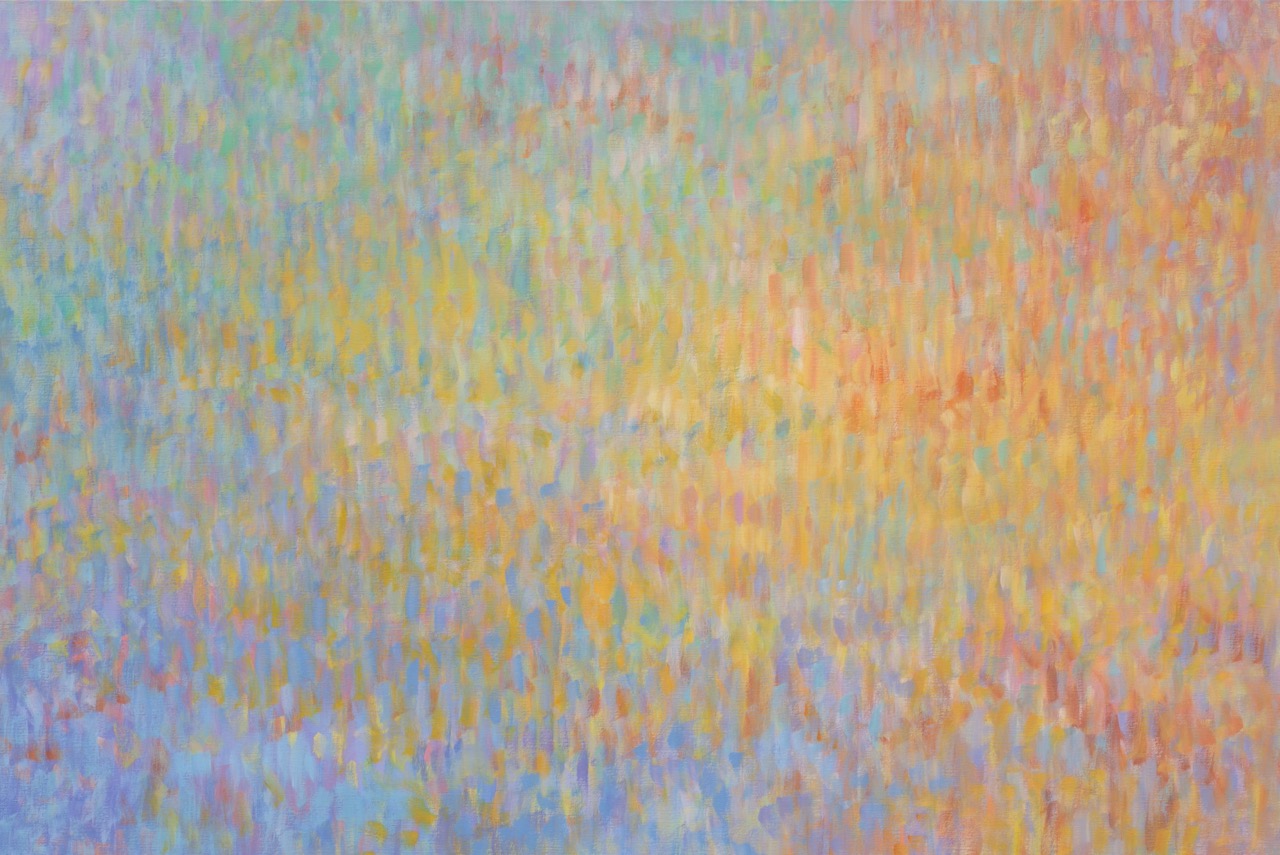
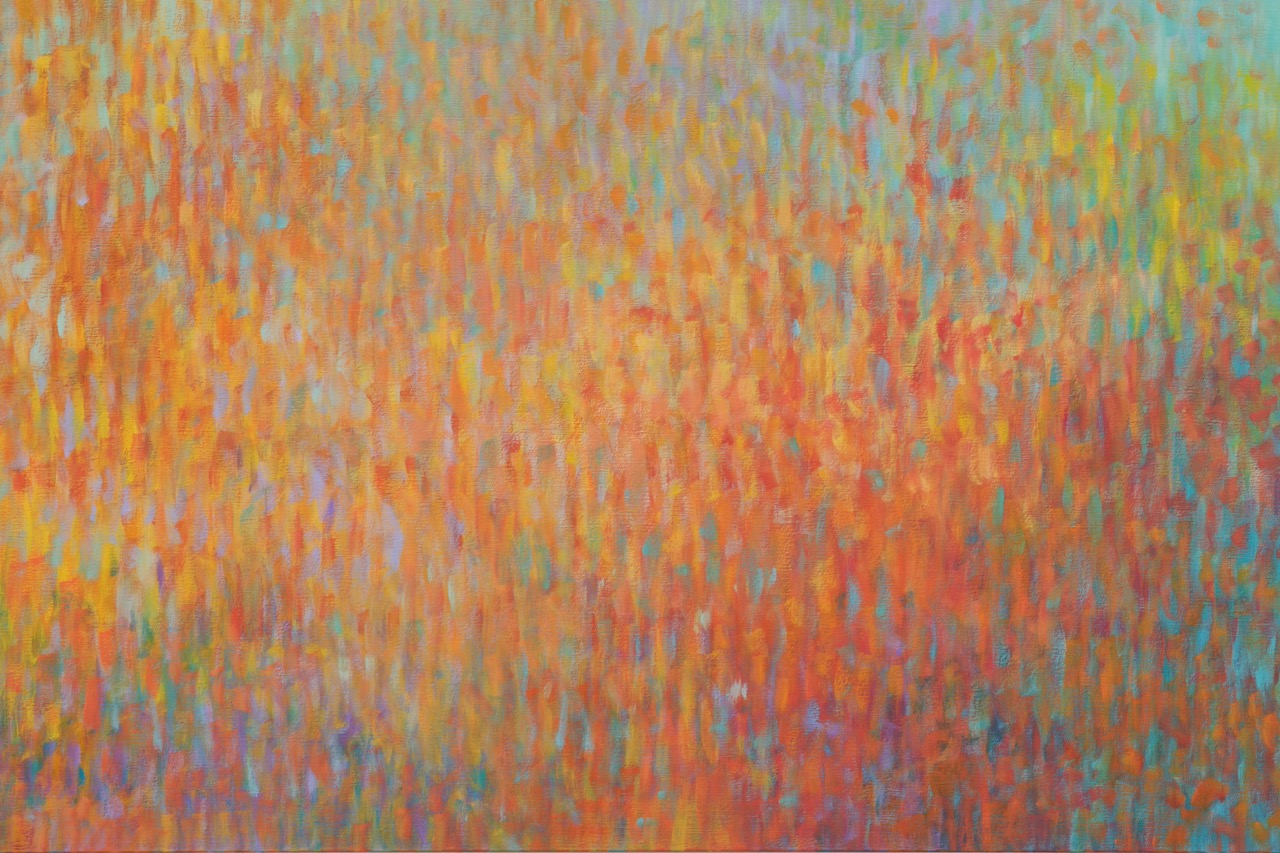
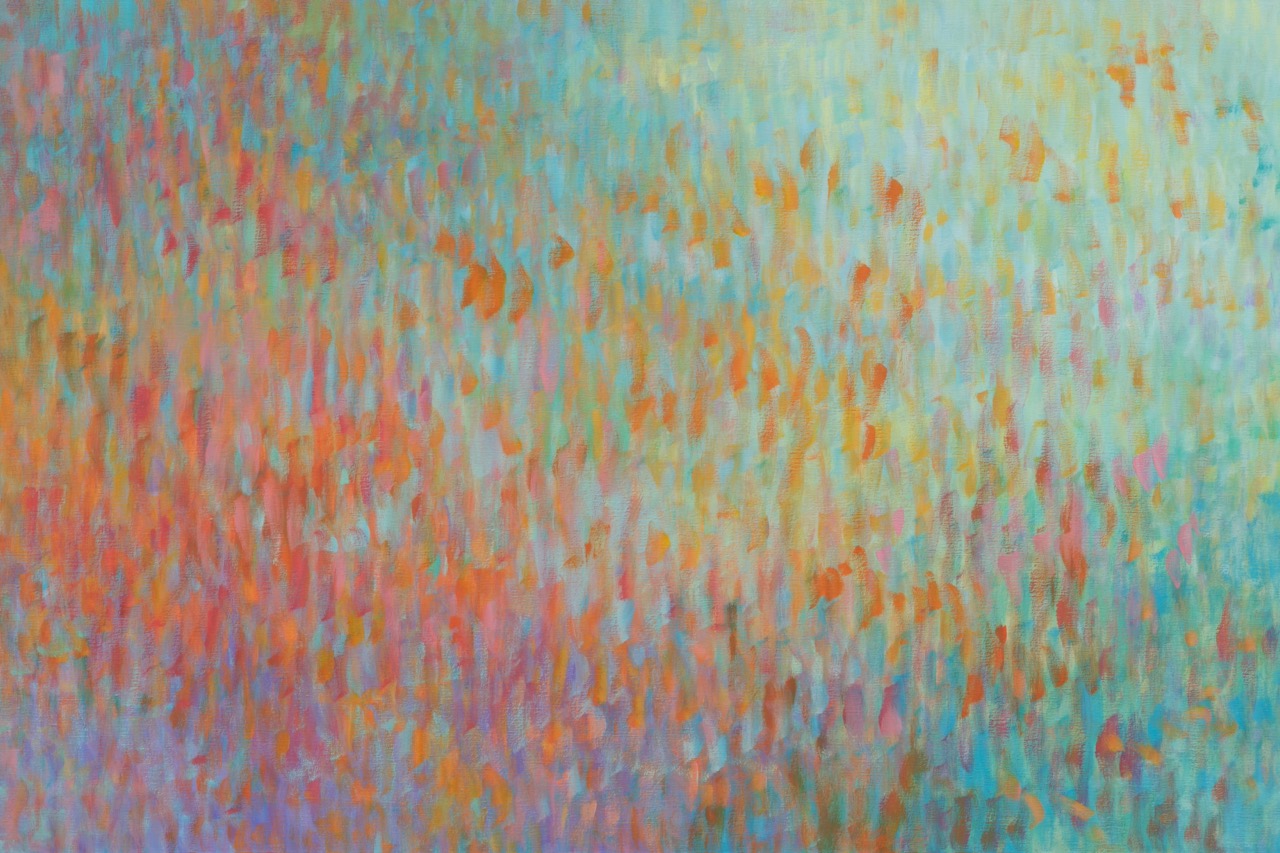
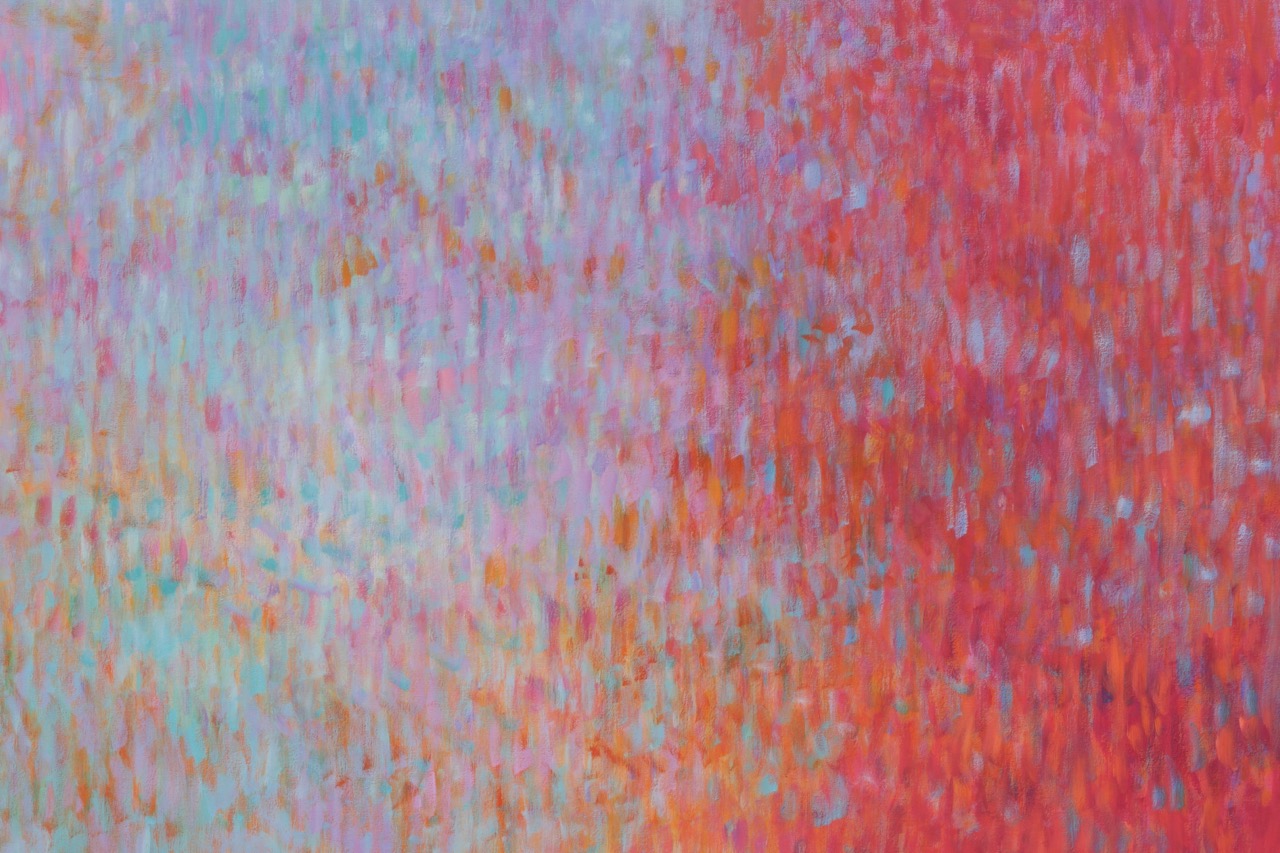
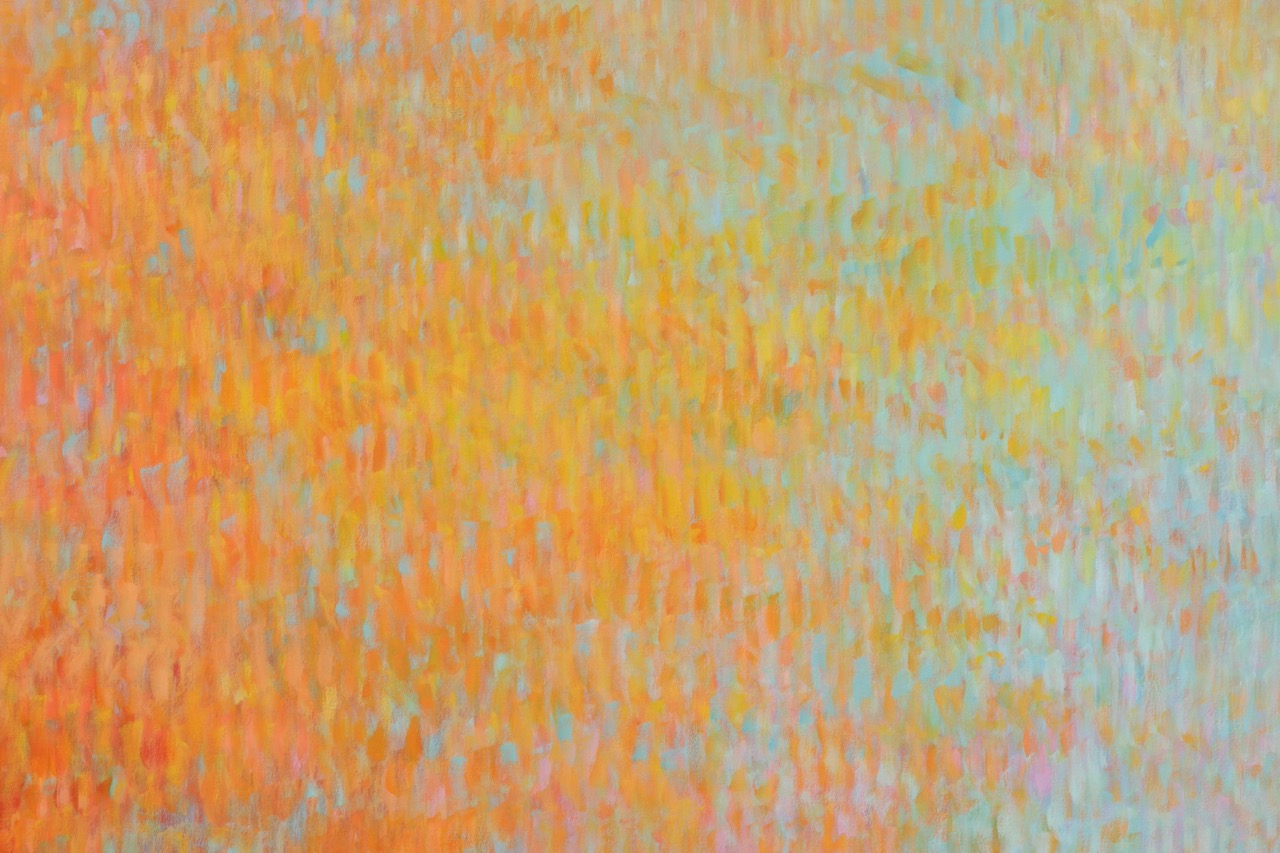
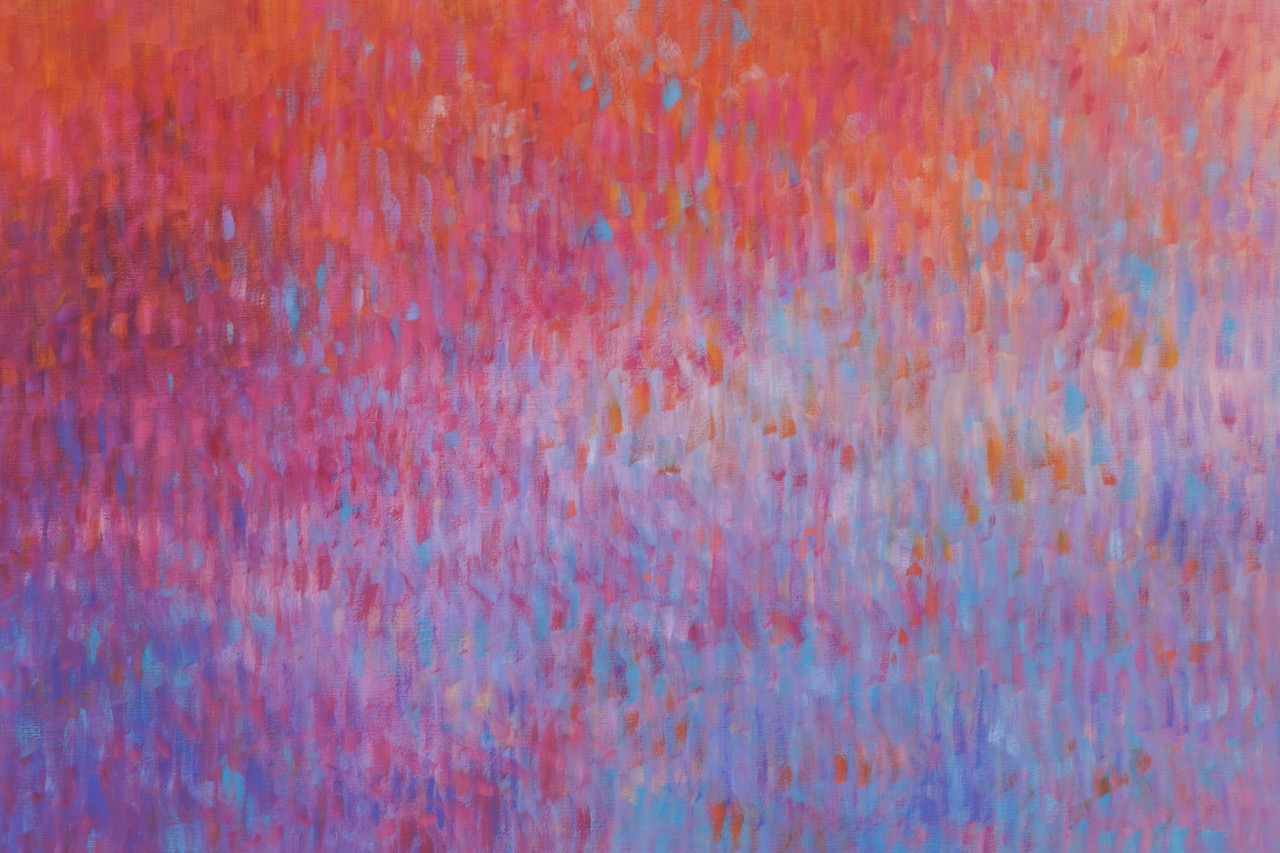
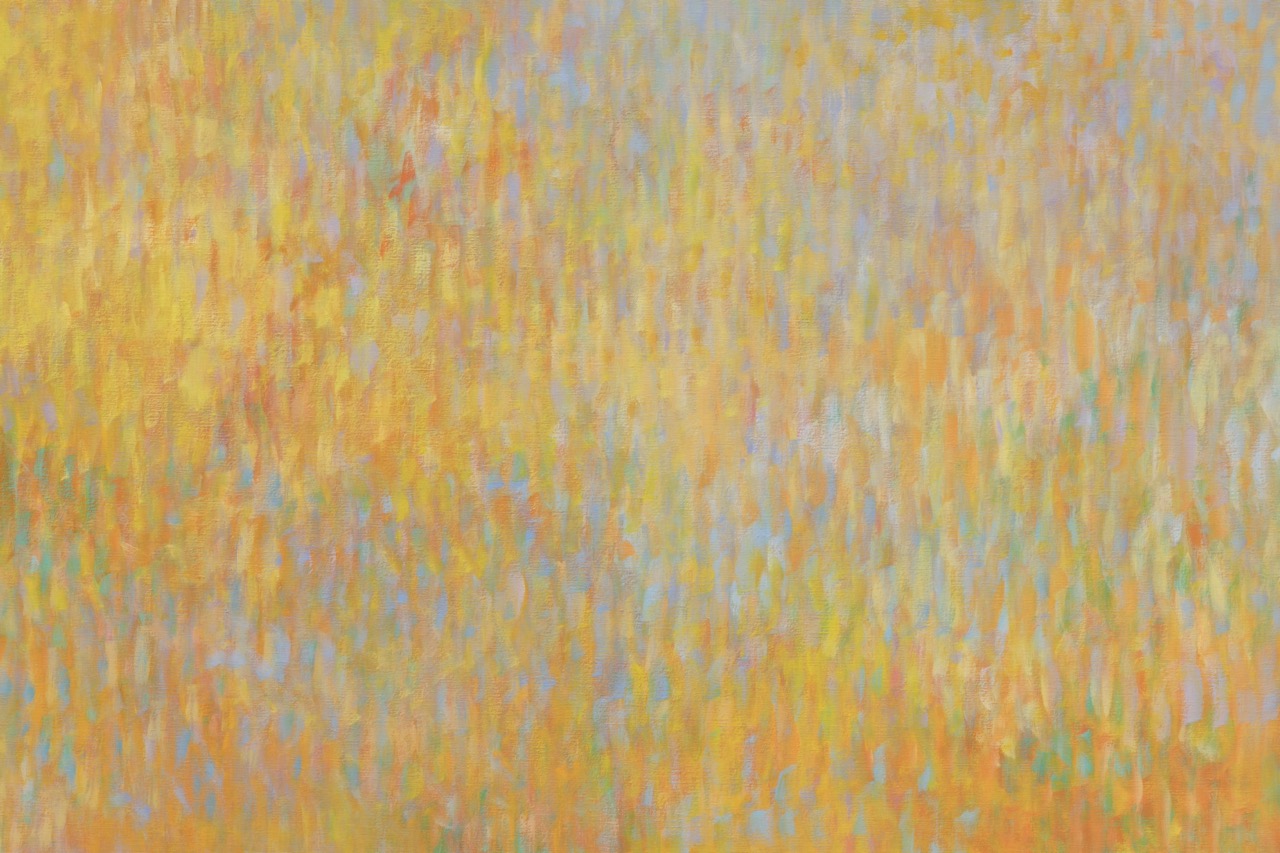
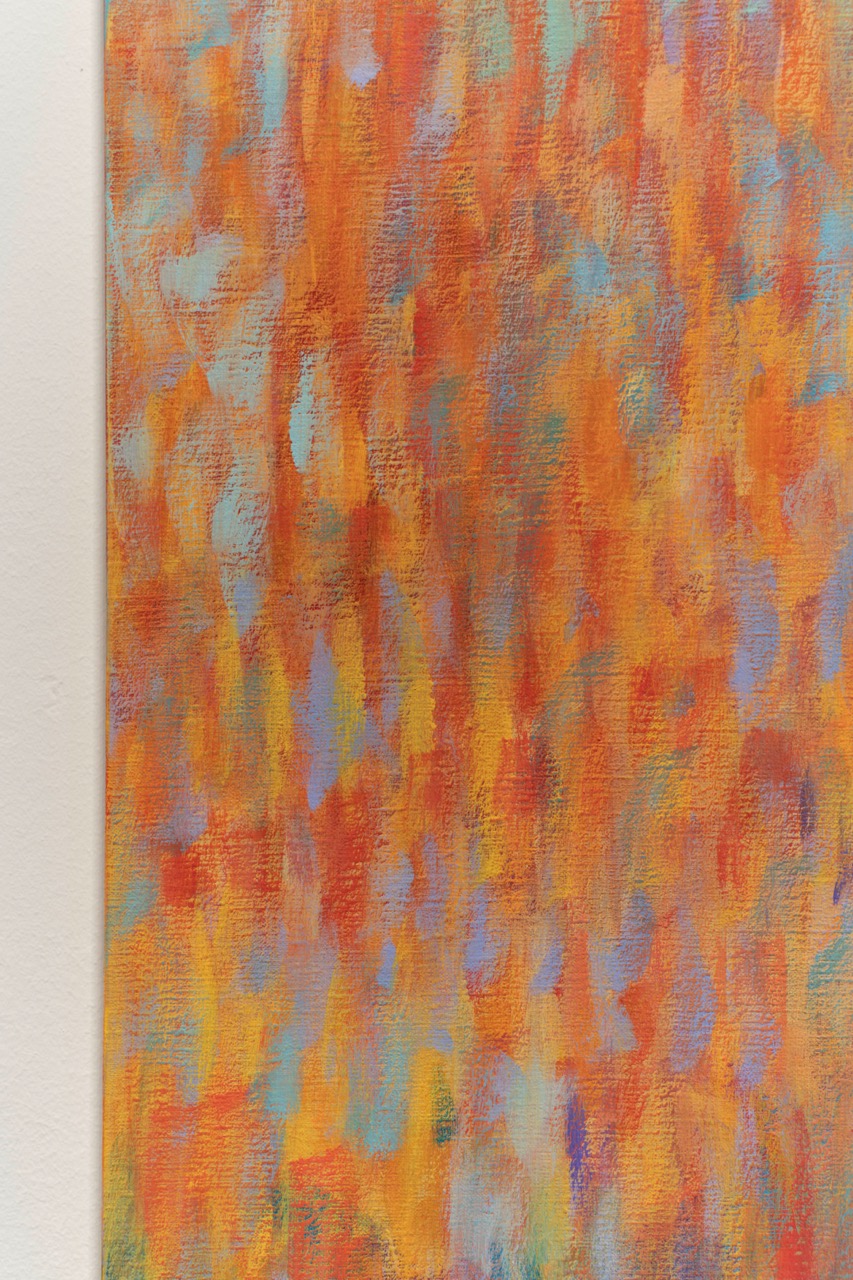
Jean-Baptiste Bernadet, Breve amore
His whole life was validated by the last couple of days in Venice. He’d never made a mistake in his life because everything, even the mistakes, had led to his being here now. Leaked oil had left a few threads of rainbow in the water […] he was tempted to strip down to his underwear and walk straight into the canal, as if it were a paddling pool.
Geoff Dyer
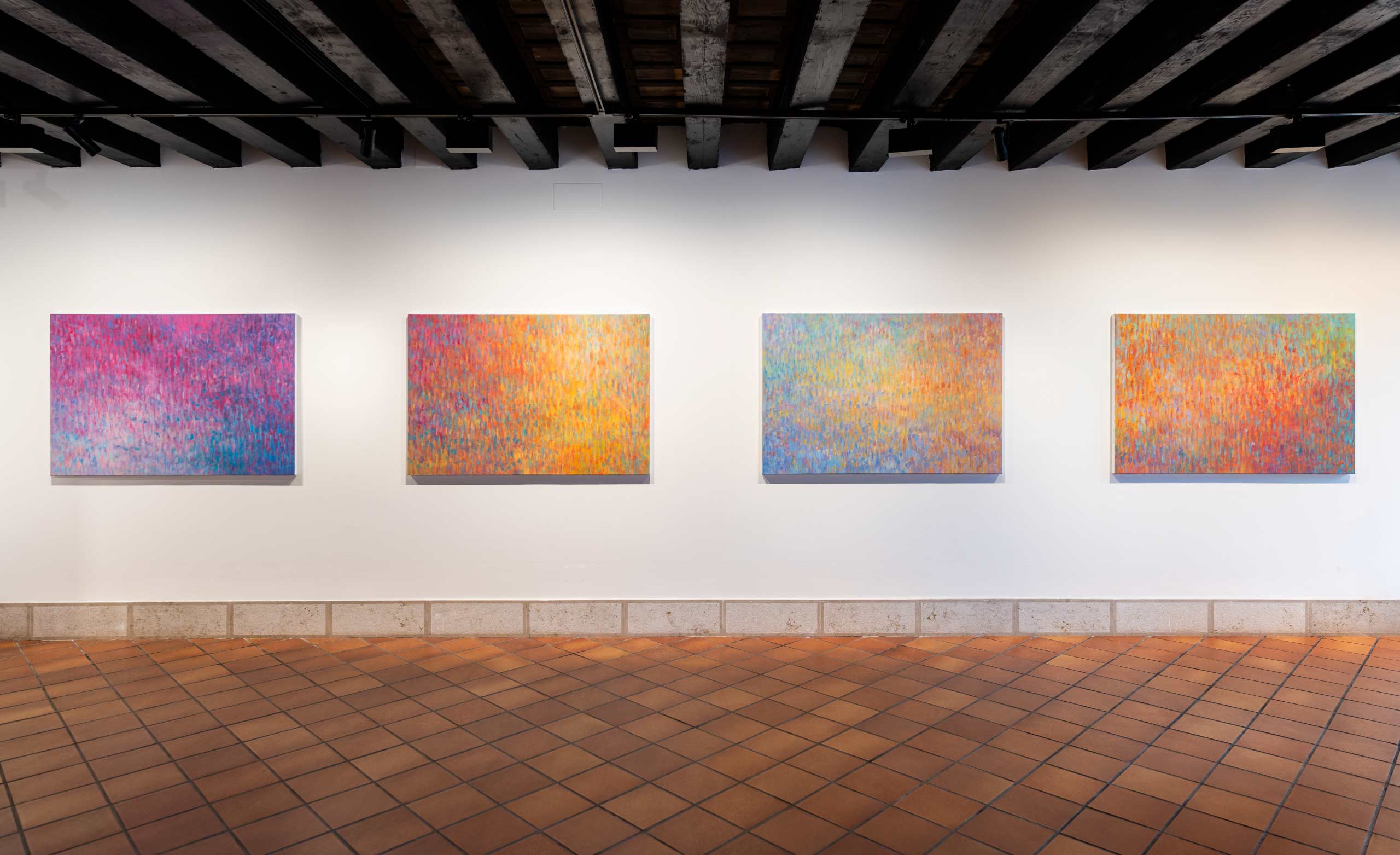
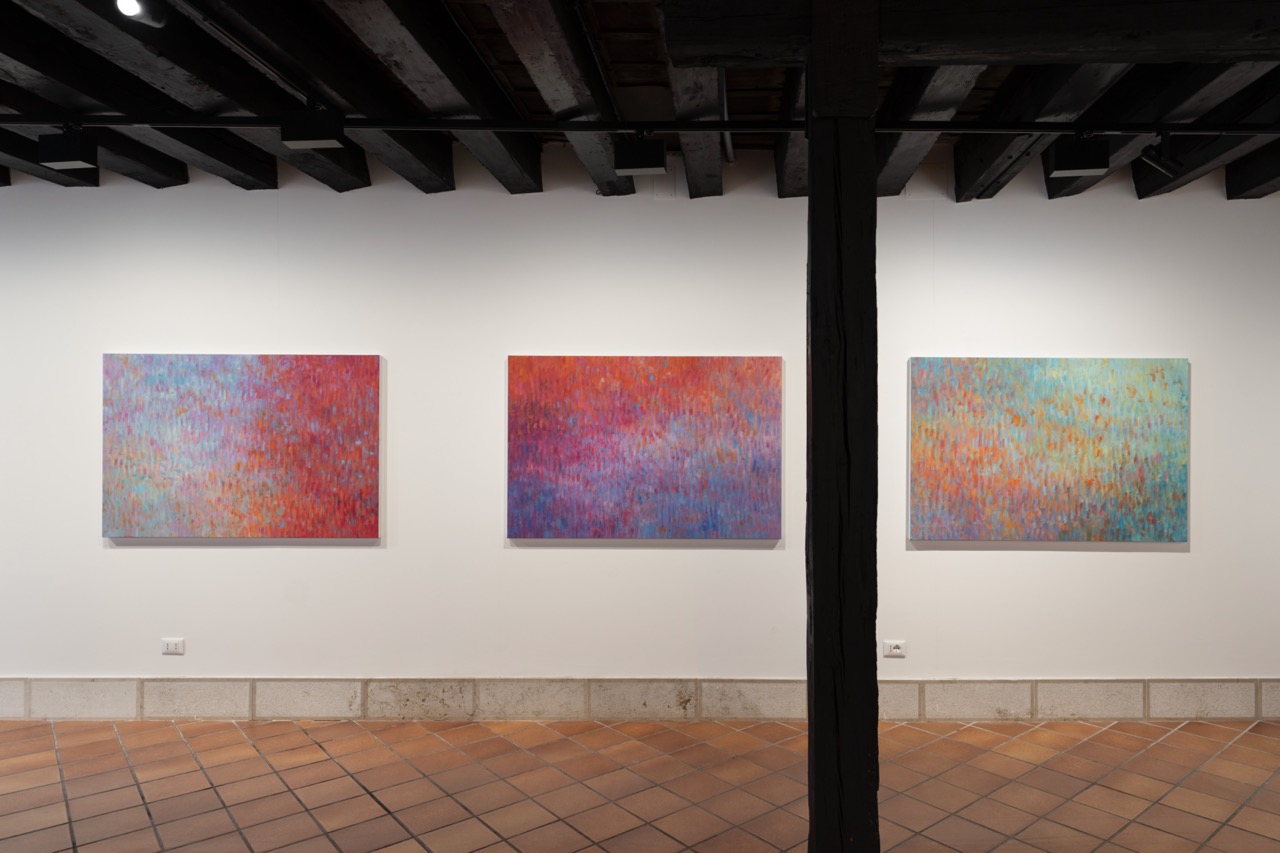
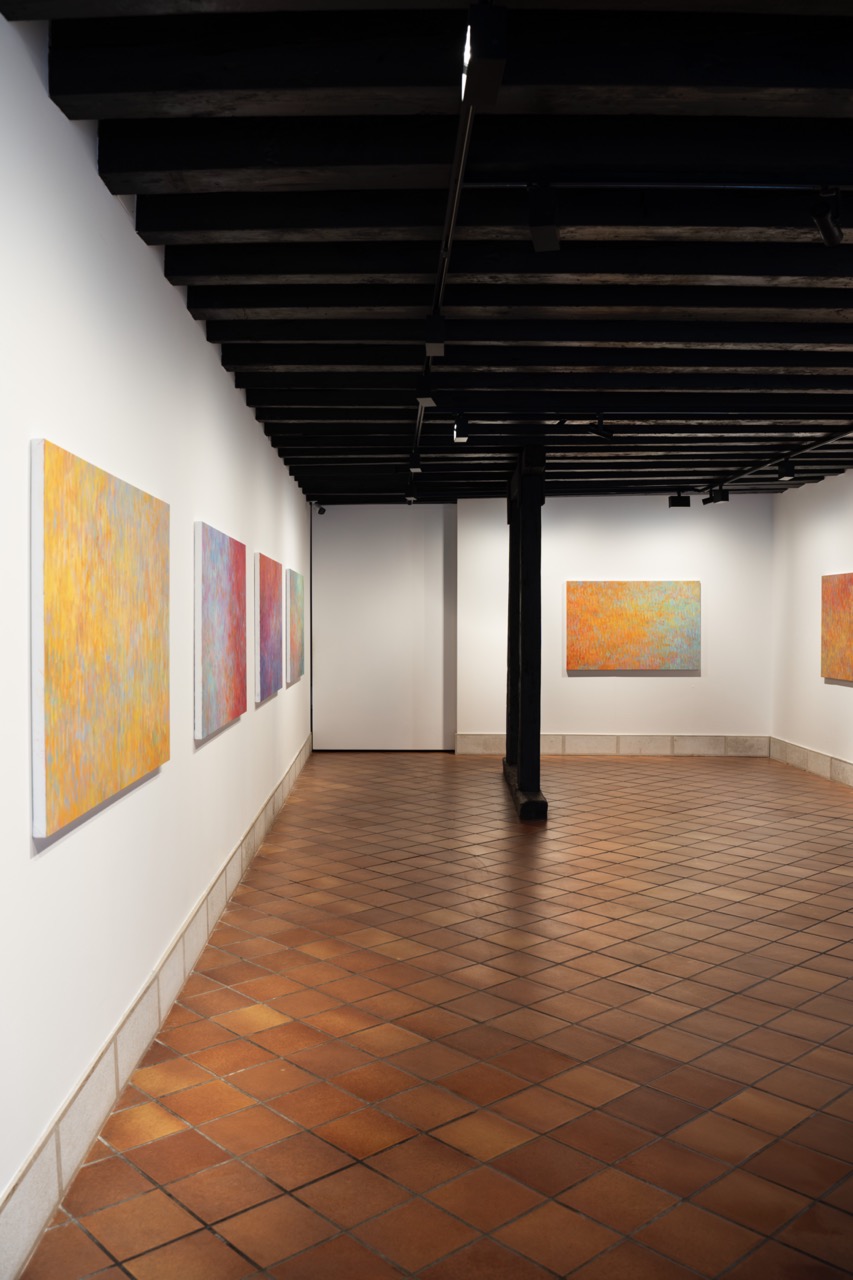
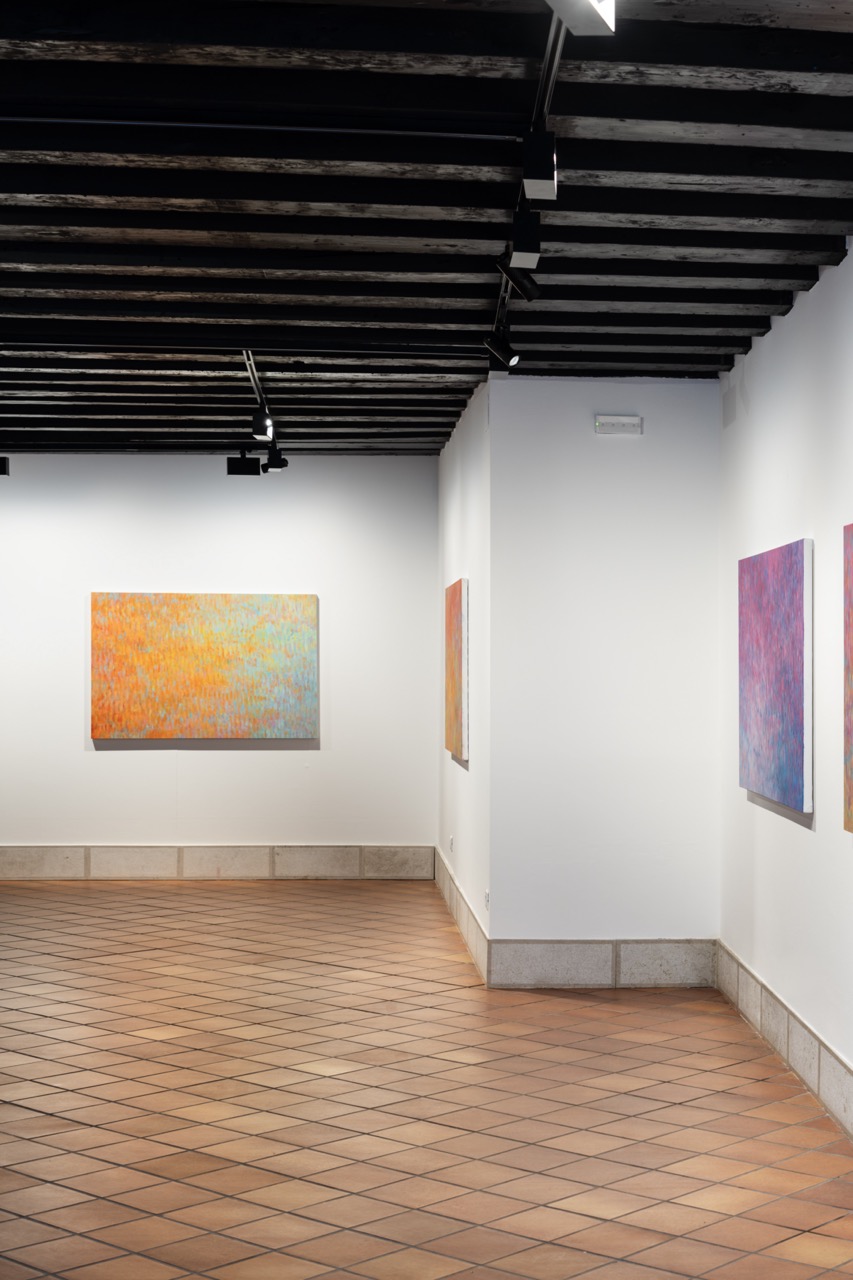
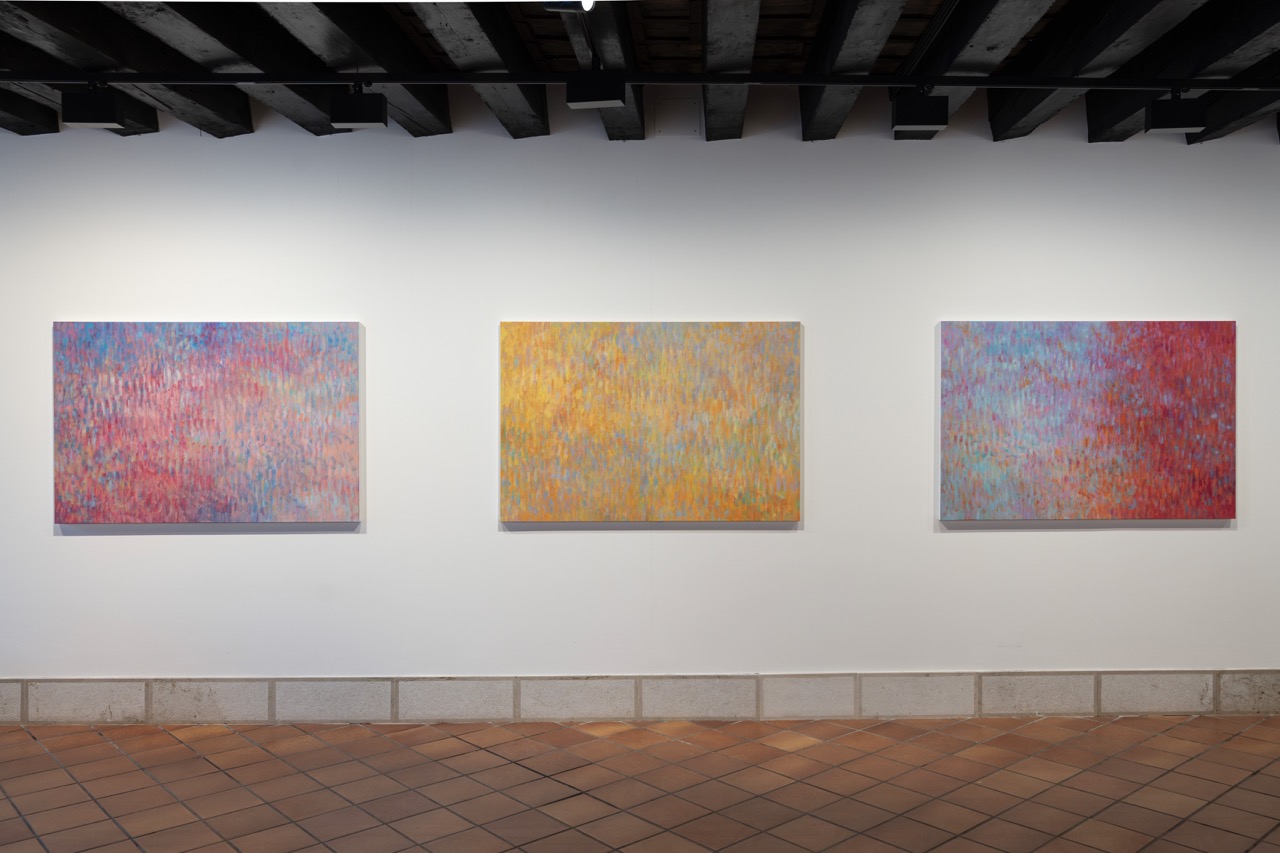
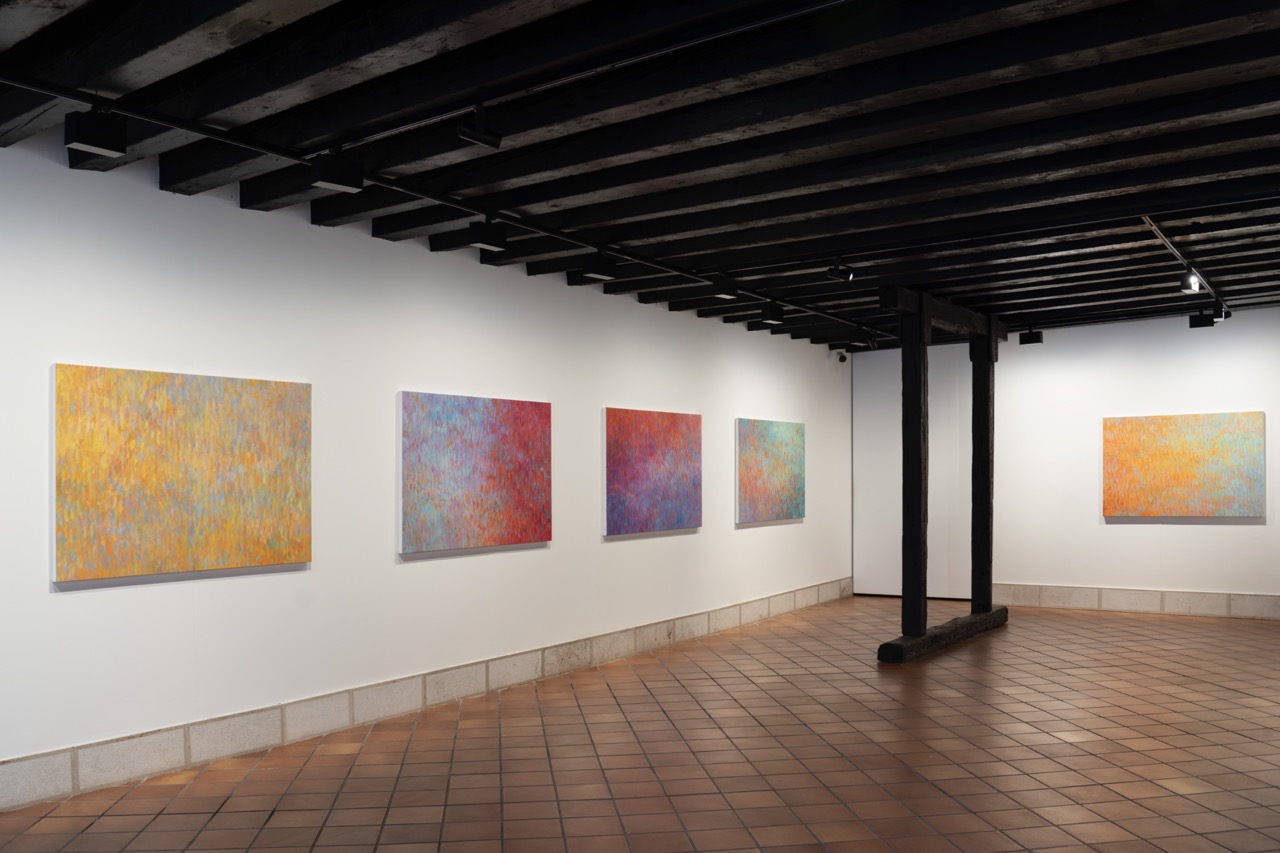
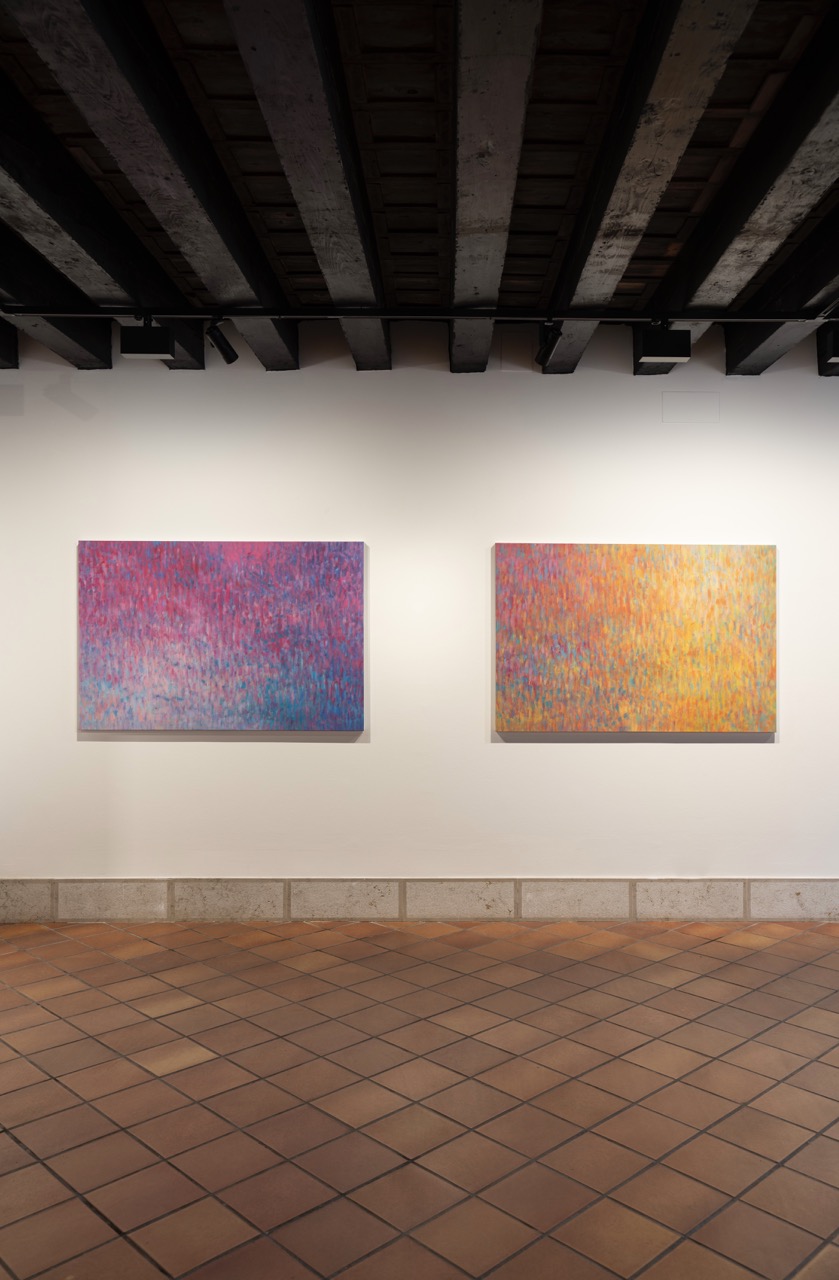
The city of water—nowhere else does the brevity of love taste so sweet. This “vast sanatorium of silence and light,” as Marcel Proust called it, seamlessly blends illusion and disillusion. La Serenissima is pictorial by design—its shimmering reflections akin to the colorful artifice of both love and painting. In Breve amore, Jean-Baptiste Bernadet presents a new series of Fugues inspired by Venice’s endless “provisions of vision.”
In a letter to Illan de Casa-Fuerte—an extraordinarily handsome Spanish marquis and translator born in Napoli—Proust evokes the silence of Venice. “Venetian silences,” he writes, “would be a beautiful title for melodies or piano pieces.” Evidently, it would also have made a fine title to accompany Bernadet’s musically inclined paintings as they made their way through canals and bridges. But that would have been too predictable for a Proustian painter, who revels in hybridity. And so, Mina’s soprano voice comes in with an Italian classic: Al nostro breve amore, Alla felicità, Che se ritornerai, Ritornerà…
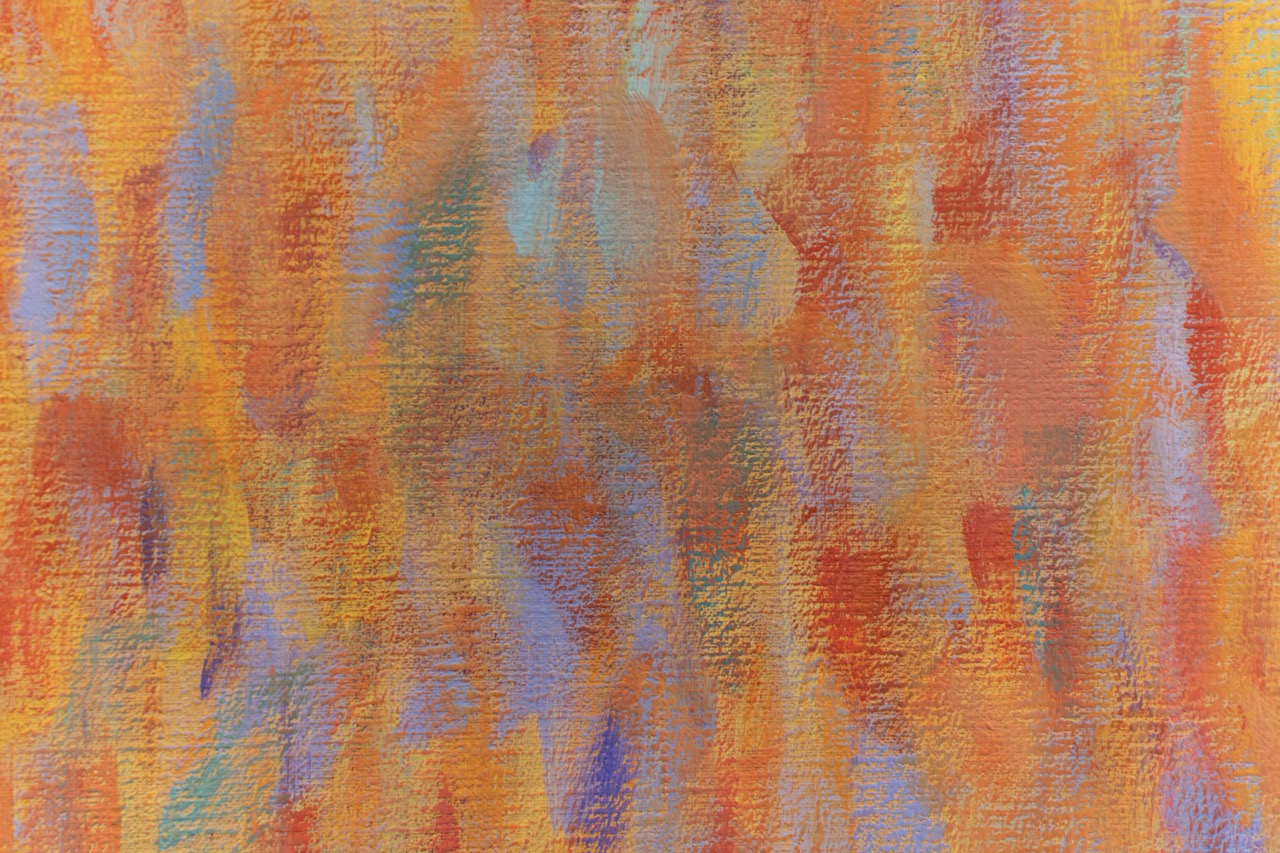
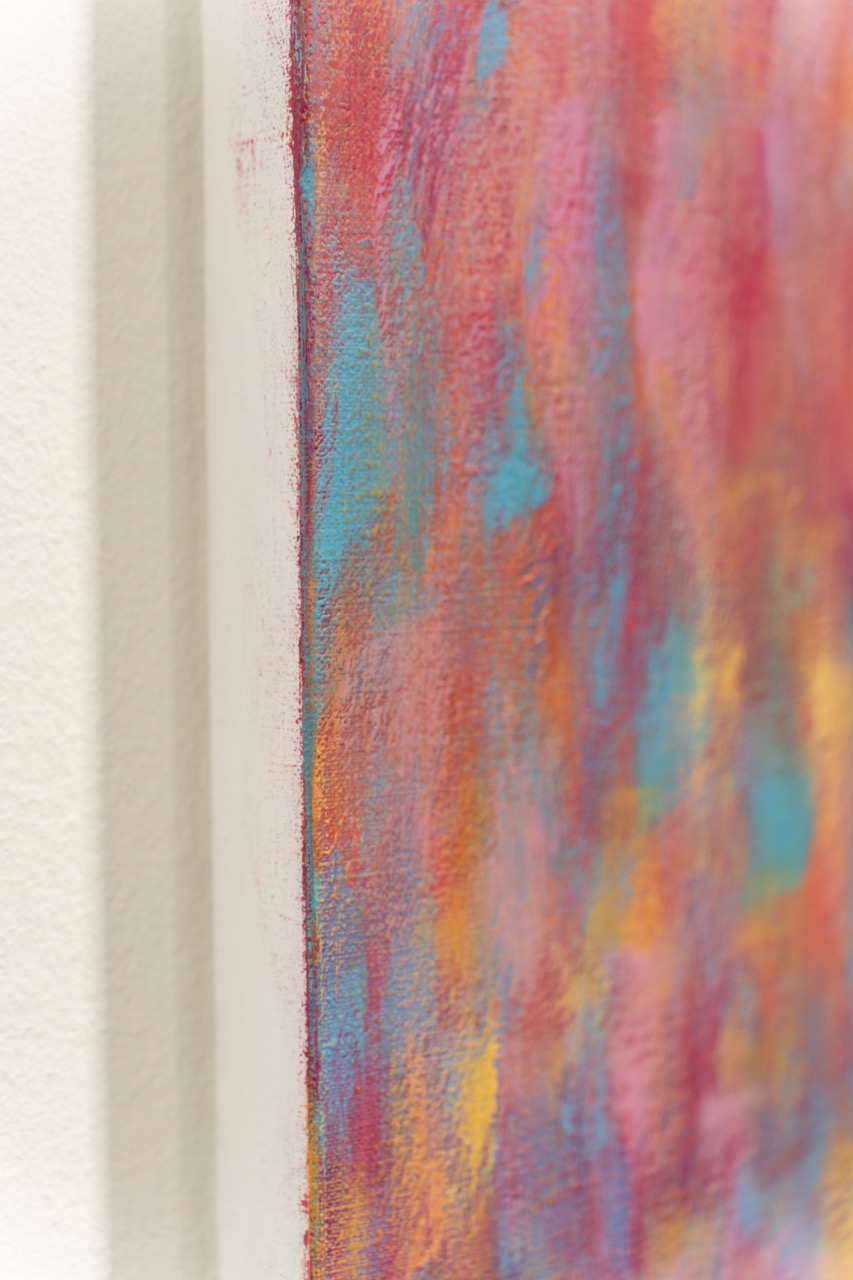
For those already familiar with Bernadet’s Fugues—arguably his most widely recognized paintings—the brushstrokes of his Venetian variations will appear less mechanical, as if the silence mentioned in Proust’s letter had subtly liquified the air around them. The artist’s pointillistic rhythms seem to loosen ever so slightly in these horizontal tableaux, making room for elusive but recognizable images. While previous Fugues alluded to Alfred Stieglitz’s famous photographs of clouds, here, we are looking down at the surface of water, recalling Peter Hujar’s horizonless photographs of the Hudson River.
Even as the artist knows how to confound our eye with non-hierarchical brushstrokes whose precise irregularity appears directionless enough to create a form of stasis, the paintings in Breve amore embrace the downward pull of water. Though they successfully suggest depth, Bernadet’s all-over pictorial surfaces remain shallow enough for us to contemplate walking straight into them. Like canals, his paintings function as contrived interfaces between sea and sky—a quintessentially photographic quality further evoked in Of Things Past (Venezia, 2022), a picture taken on a previous visit to the city and printed as a four-color photo-intaglio for the exhibition.
Early on, the painter’s interest in the art historical quarrel between colorito and disegno drew him to Venice and the pleasure-seeking school of Titian. Flamboyantly twisting Proust’s melancholic passage on the deceptive nature of the floating city, Bernadet atomizes both the water and his influences, from Tintoretto to Monet, “like a combination of hydrogen and nitrogen—eternal, blind, prior to and outside Venice, ignorant of the doges and of Turner.”
-Emile Rubino